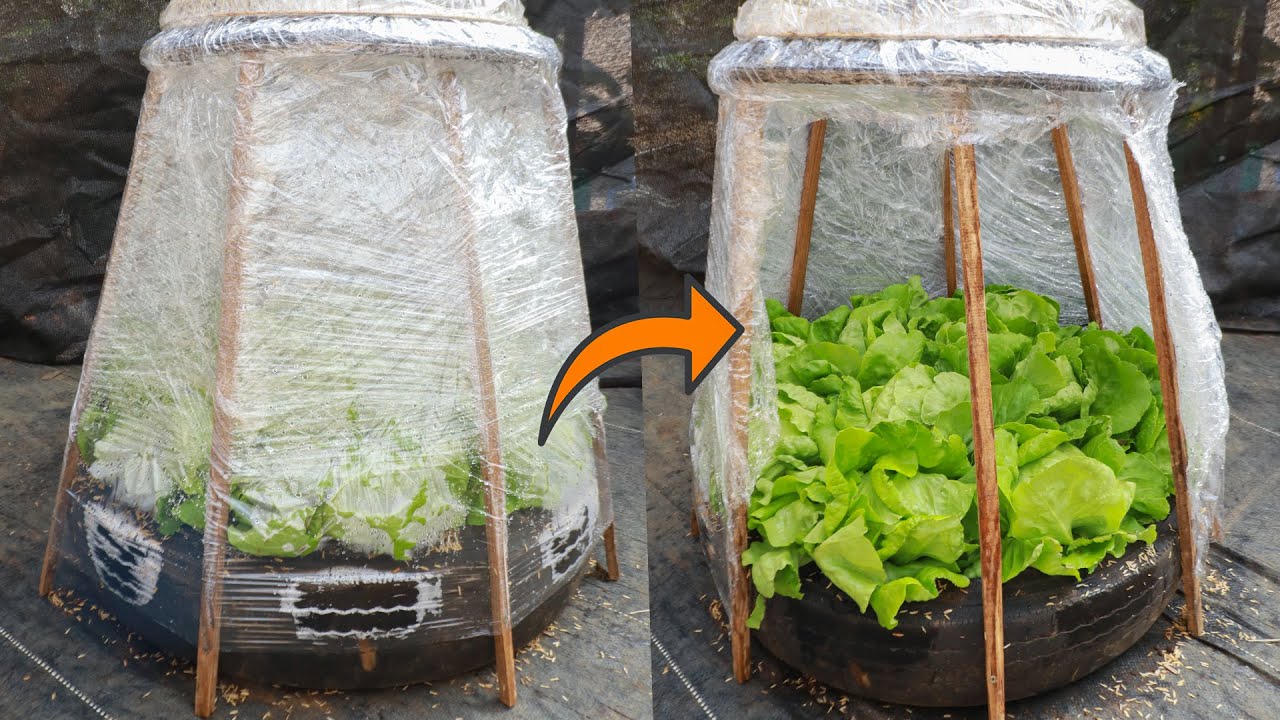
7 Steps to Grow Lettuce in Winter Using Recycled Tires in Your Mini Greenhouse
7 Steps to Grow Lettuce in Winter Using Recycled Tires in Your Mini Greenhouse
Introduction
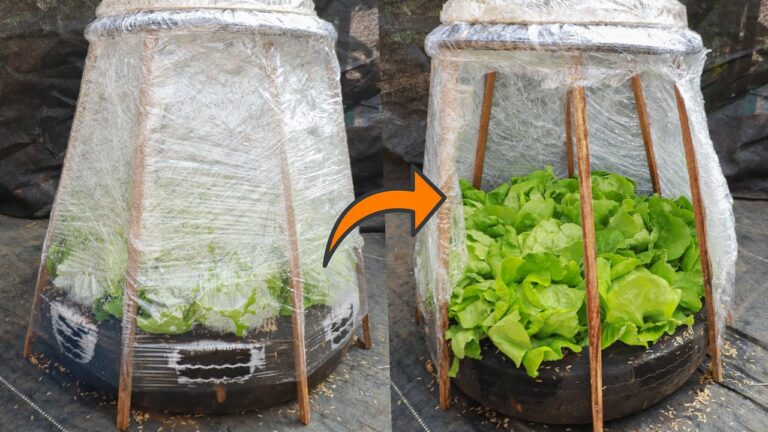
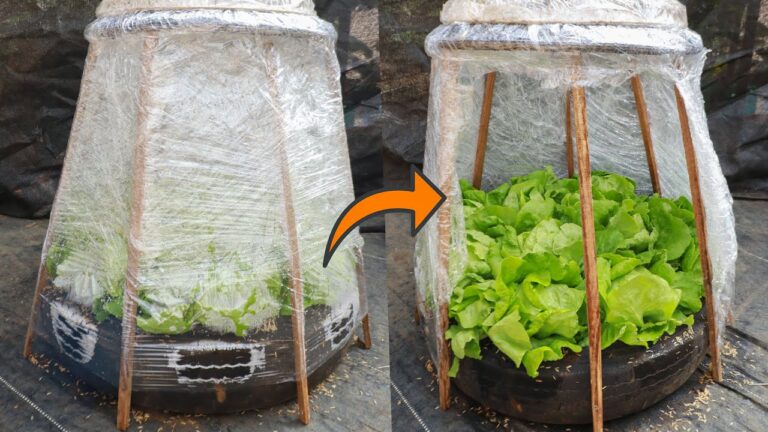
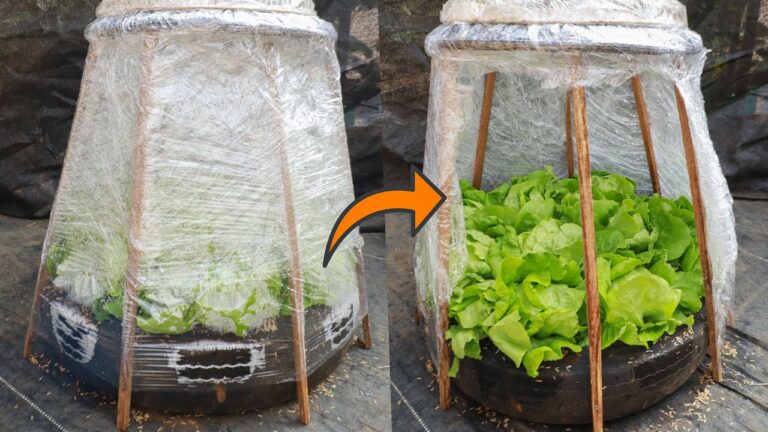
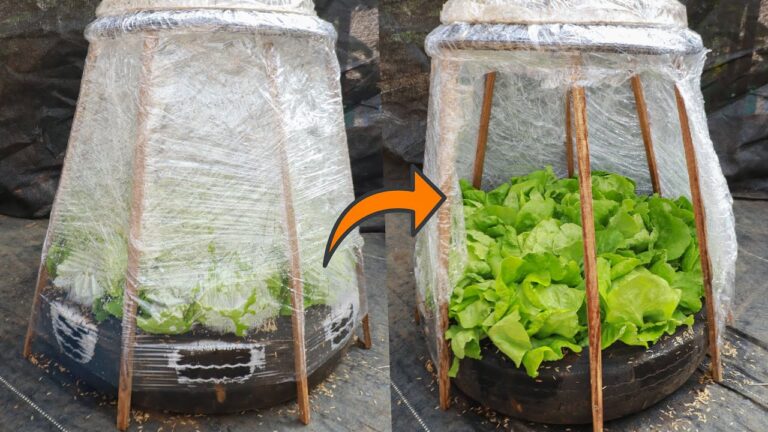
Winter can be a challenging time for gardeners, especially when it comes to growing fresh greens like lettuce. You might find yourself staring at barren garden beds, wishing for a way to enjoy homegrown produce during these cold months. However, with a little creativity and resourcefulness, you can cultivate vibrant lettuce right at home. This article guides you through an effective method for growing lettuce in winter using recycled tires in your mini greenhouse. Keep reading to discover how simple it can be.
Required Materials
Before starting your lettuce-growing adventure, gather the following materials to ensure success:
- Recycled tires (clean and free from chemicals)
- A suitable mini greenhouse (or a makeshift greenhouse with plastic sheeting)
- High-quality potting soil
- Lettuce seeds (choose cold-tolerant varieties)
- Watering can or hose
- Gardening tools (trowel, gloves, etc.)
Step-by-Step Guide
Growing lettuce in winter can be both rewarding and practical. Here’s a detailed guide to help you achieve thriving greens throughout the season:
1. Prepare the Tires
- Clean the tires thoroughly, removing any dirt or debris.
- Stack them in a way that allows for good drainage and adequate sunlight exposure.
- Drill holes in the bottom to prevent water-logging.
2. Set Up Your Greenhouse
- Choose a sheltered spot for your mini greenhouse, ideally with southern exposure to maximize sunlight.
- Insulate the greenhouse with plastic sheeting to retain heat. Make sure to cover all openings well.
- Install shelves or support for your tires inside the greenhouse, allowing easy access for planting and maintenance.
3. Fill the Tires with Soil
- Fill each tire with high-quality potting soil, leaving about an inch of space from the top.
- Level the soil, ensuring it’s even across the tire.
- Moisten the soil slightly before planting to create a welcoming environment for your seeds.
4. Plant the Seeds
- Sow lettuce seeds according to package instructions, generally about 1/4 inch deep.
- Space the seeds adequately to avoid overcrowding, which can hinder growth.
- Cover the seeds lightly with soil, and then gently water them.
5. Maintain Your Mini Greenhouse
- Water the seeds regularly, ensuring the soil stays moist but not soggy.
- Monitor temperatures inside the greenhouse regularly to make adjustments as needed.
- Open flaps during warmer days to prevent overheating, while keeping it closed during colder nights.
Common Mistakes to Avoid
To ensure your winter lettuce garden thrives, here are some common mistakes to avoid:
- Overwatering: Too much water can drown the roots and lead to rot.
- Insufficient space: Not giving your plants enough room can stunt their growth.
- Poor seed selection: Using non-cold-tolerant varieties can yield disappointing results.
- Neglecting ventilation: Failing to provide good airflow can create a humid environment, encouraging mold.
- Ignoring temperature changes: Not adjusting for extreme cold can harm your plants.
FAQ
Can I use any type of tire for growing lettuce?
It’s best to use tires that are clean and free from harmful chemicals. Avoid those that have been treated with pesticides.
How much sunlight does lettuce need during winter?
Lettuce typically requires at least 12 hours of light each day. Ensure your mini greenhouse gets enough sunlight, or consider supplemental lighting if necessary.
What if it snows?
Make sure your greenhouse is well-insulated and check for moisture build-up in the tires. You might need to remove snow to prevent damage to the structure.
Conclusion
Growing lettuce in winter using recycled tires is an enjoyable and eco-friendly project that results in fresh greens at your fingertips. By preparing adequately and avoiding common pitfalls, you can create a thriving mini greenhouse. What winter gardening experiences do you have? Feel free to share your thoughts in the comments!