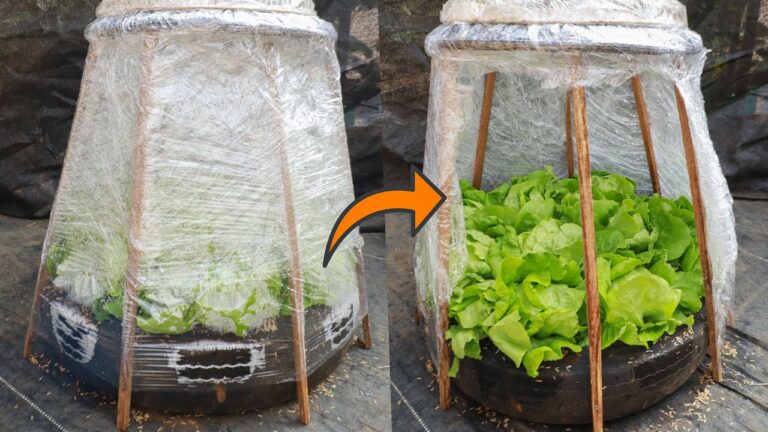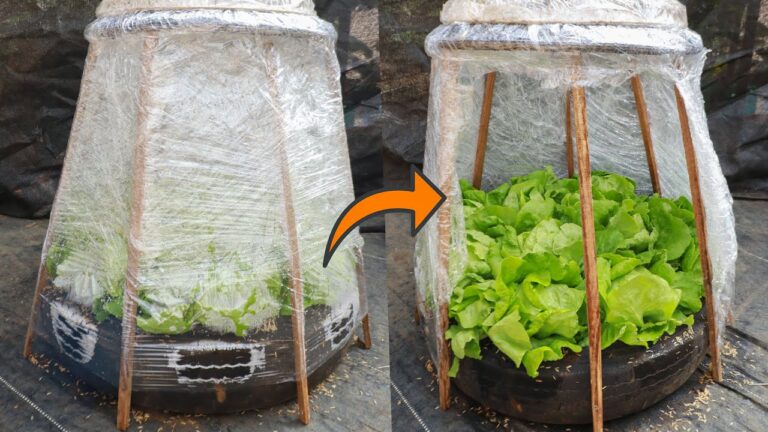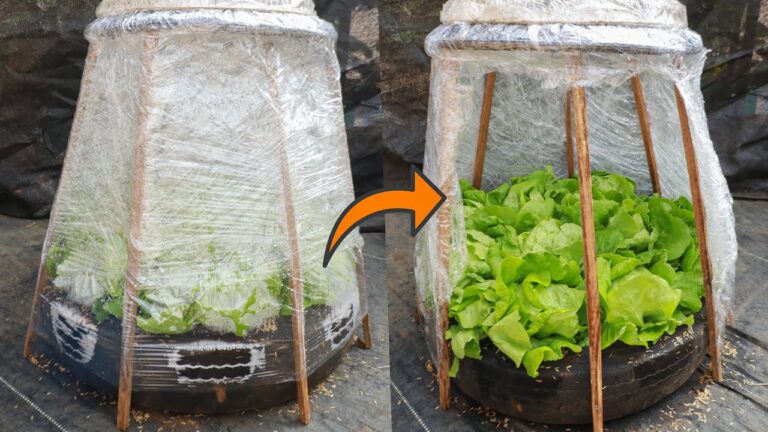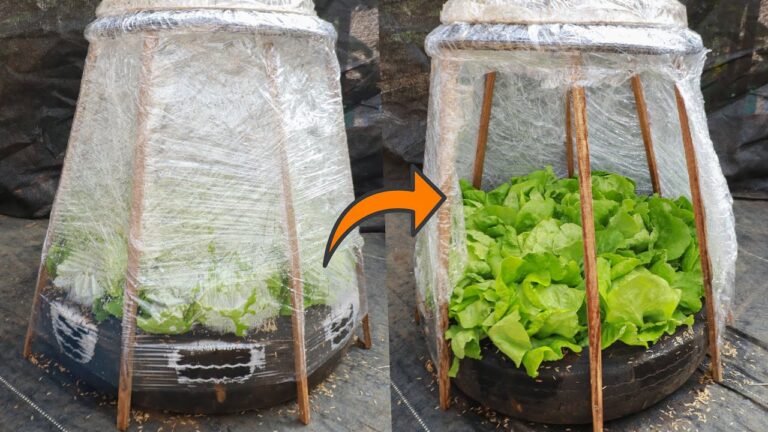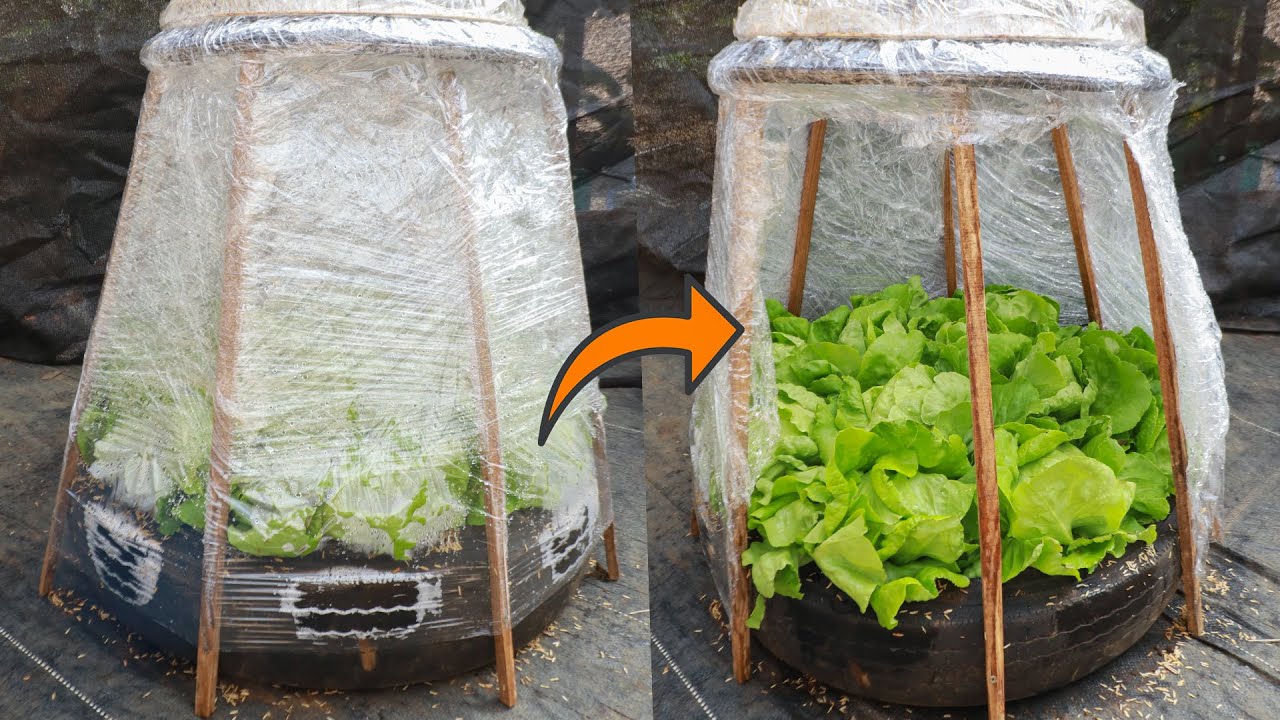
7 Simple Steps to Grow Lettuce in Winter Using Recycled Tires
Growing Lettuce in Winter Using Recycled Tires: A Step-by-Step Guide
- Introduction
- Benefits of Growing Winter Lettuce
- Required Materials
- Planting Steps
- Common Mistakes
- FAQ
- Conclusion
Introduction
As winter settles in, you might find yourself missing the fresh greens from your summer garden. The chilly weather can dissuade many gardeners, but that doesn’t have to be the case. If you have some old tires lying around, you can transform them into a cozy home for winter lettuce. This project not only helps you recycle but also allows you to enjoy fresh, homegrown lettuce throughout the season. Let’s explore how you can embark on this sustainable gardening journey.
Benefits of Growing Winter Lettuce
Growing lettuce during the winter months offers several advantages that can enhance your gardening experience.
- Freshness: Having fresh greens in your meals enhances both flavor and nutrition.
- Sustainability: Using recycled tires minimizes waste and promotes eco-friendly practices.
- Resourcefulness: This project encourages you to utilize materials you already have at home.
Required Materials
Before you start your winter lettuce garden, gather the following materials:
- Old tires: Preferably ones that are clean and free of hazardous materials.
- Potting soil: A nutrient-rich mix suited for container planting.
- Seeds: Choose cold-resistant varieties of lettuce like Romaine or Butterhead.
- Watering can: For consistent moisture throughout the growth period.
- Mulch: Straw, leaves, or other natural coverings to help regulate temperature.
Planting Steps
Now that you have all your materials ready, follow these steps to grow lettuce in winter using recycled tires:
1. Prepare the Tires
- Clean: Ensure there’s no debris in the tires, as this can harbor pests.
- Stack: Consider stacking tires to create a deeper planting surface, increasing soil warmth.
2. Fill the Tires with Soil
Using your potting soil, fill the tires, leaving about an inch from the top. This space will help when watering and retaining moisture.
3. Plant the Seeds
- Sow: Scatter your seeds evenly across the surface of the soil.
- Cover: Lightly sprinkle a thin layer of soil over the seeds to protect them.
4. Water Regularly
Water the planted seeds gently but thoroughly. It’s essential to keep the soil moist, especially during dry winter periods.
5. Add Mulch for Insulation
Spread mulch on top of the soil to regulate temperature and help retain moisture. This is especially important for young seedlings.
6. Monitor Growth
Keep an eye on your lettuce as it grows, checking for pests and diseases. Early detection will ensure healthier plants.
7. Harvest and Enjoy
When your lettuce reaches about four to six inches tall, you can begin to harvest. Use scissors to clip outer leaves, allowing the center to continue growing.
Common Mistakes
When growing lettuce in recycled tires, several common pitfalls can hinder your success:
- Neglecting drainage: Ensure the tires have enough drainage holes to prevent waterlogging the roots.
- Overcrowding: Avoid planting too many seeds in one tire, as this can lead to competition for nutrients.
- Forgetting to insulate: Skipping the mulch can expose roots to freezing temperatures, harming the plants.
FAQ
Can lettuce really grow in winter? Yes, certain varieties of lettuce are resilient and can thrive in cool temperatures, making winter gardening possible.
Will using tires affect the taste of the lettuce? As long as the tires are clean and safe, they won’t affect the lettuce’s flavor; the key is proper soil and care.
How often should I water my winter lettuce? Generally, keep the soil consistently moist, watering every few days, especially if it hasn’t rained.
Conclusion
Growing lettuce in winter using recycled tires is a rewarding way to enjoy fresh greens while being eco-friendly. By following these steps and avoiding common mistakes, you can have a thriving winter garden. What types of lettuce do you plan to grow this winter? Feel free to share your experiences in the comments below!