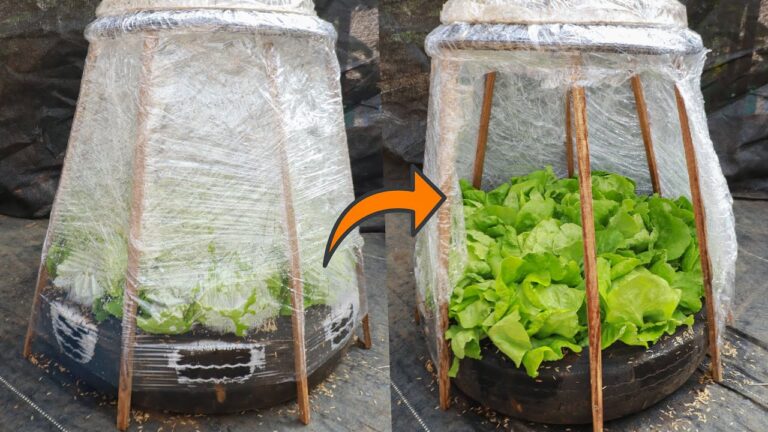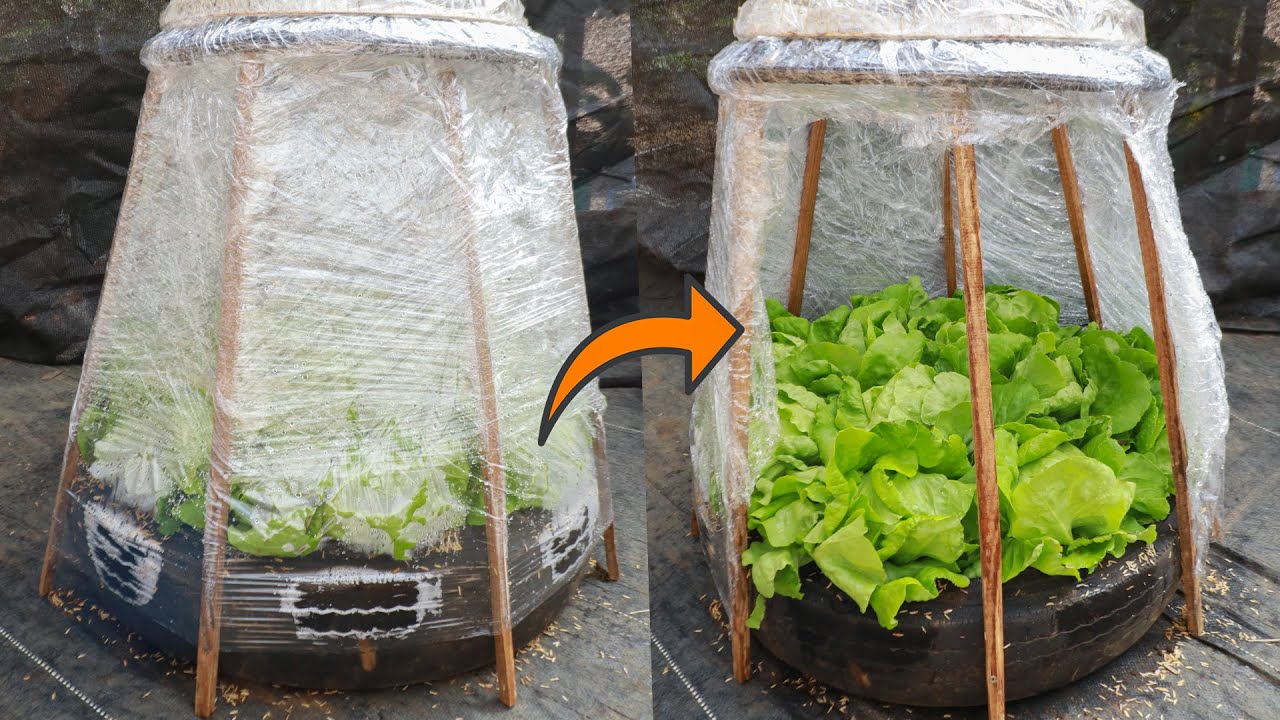
7 Steps to Grow Lettuce in Winter Using Recycled Tires in Your Mini Greenhouse
Growing Lettuce in Winter: Use Recycled Tires in Your Mini Greenhouse
- Introduction
- Benefits of Growing Lettuce in Winter
- Setting Up Your Mini Greenhouse
- Using Recycled Tires
- Common Mistakes to Avoid
- FAQ
- Conclusion
Introduction
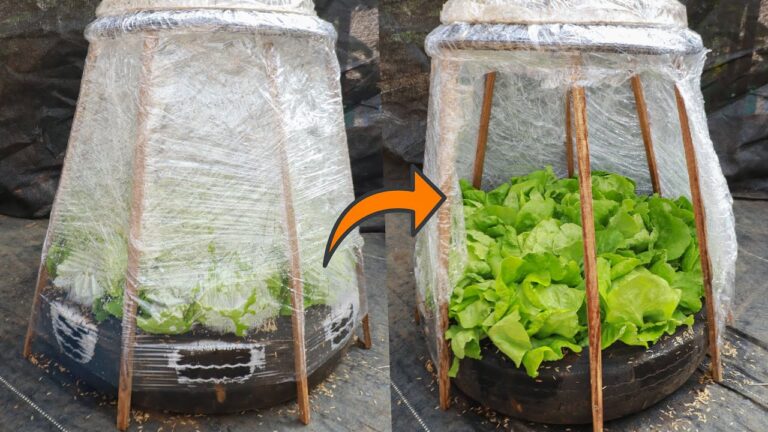
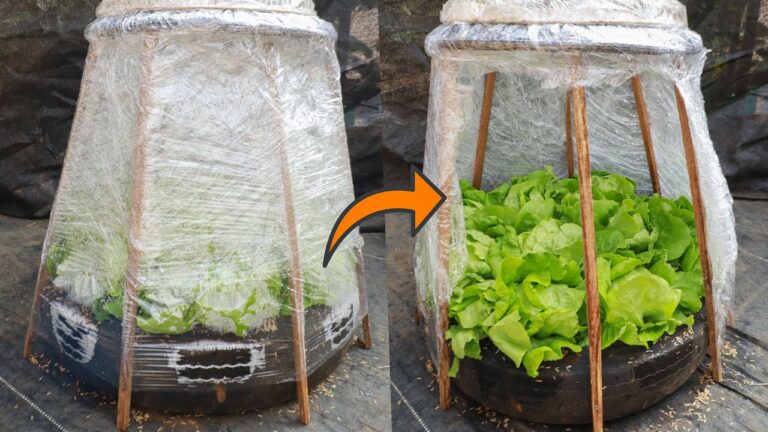
Winter can make it challenging to grow fresh vegetables, especially leafy greens like lettuce. You may find yourself missing the crunch of homegrown salad ingredients while the garden lies dormant under a blanket of snow. If you’re looking for a way to continue gardening during these colder months, the good news is that you can create a mini greenhouse using recycled tires. This setup not only saves money, but also helps you grow delicious lettuce even in the depths of winter. Read on to discover how you can make it happen!
Benefits of Growing Lettuce in Winter
Growing lettuce during winter months offers several advantages:
- Freshness: Winter lettuce is crisp and flavorful, providing a delicious addition to your meals.
- Environmentally friendly: By using a mini greenhouse and recycled tires, you contribute to sustainability efforts.
- Cost-effective: Enjoy the convenience of fresh produce without the market price tag.
1. Understanding Lettuce Varieties
Before you start, familiarize yourself with different lettuce varieties suitable for winter growing like:
- Butterhead: Known for its tender leaves.
- Romaine: Stores well and adds crunch to salads.
- Leaf lettuce: Grows quickly and continually produces leaves for harvest.
2. Ideal Conditions for Growth
Winter growth may still require some attention to detail:
- Ensure temperatures inside the mini greenhouse stay above 20°F.
- Provide adequate light, either from the sun or supplemental grow lights.
Setting Up Your Mini Greenhouse
Creating a mini greenhouse can be straightforward if you follow these steps:
- Choose a location: Find a sunny spot in your yard that receives direct sunlight.
- Gather materials: Aside from recycled tires, you will need plastic sheeting or glass panels for the sides.
- Construct the frame: Stack the tires to your desired height and secure them together.
- Attach the covering: Use plastic sheeting to enclose the structure, making sure it’s airtight.
Mini Greenhouse Temperature Control
To regulate temperatures more effectively, consider:
- Adding a small heater if temperatures drop significantly.
- Utilizing thermal mass, like water-filled bottles, inside the greenhouse to retain heat.
Using Recycled Tires
Recycled tires can serve as excellent growing containers. Here’s how to prepare them:
- Clean the tires: Rinse them thoroughly to remove dirt and debris.
- Fill with soil: Ensure you use high-quality potting soil for optimal growth.
- Plant your seeds or seedlings: Place them into the soil, following the recommended spacing guidelines.
Enhancing Soil Quality
Incorporate natural fertilizers for improved growth:
- Compost: Add organic compost to enrich the soil.
- Worm castings: Use these for a nutrient boost that encourages healthy growth.
Common Mistakes to Avoid
Even the most experienced gardeners can make missteps. Here are some to watch out for:
- Not checking tire condition: Ensure that recycled tires are in good shape and free from chemicals.
- Overcrowding plants: Allow enough space for lettuce to grow by adhering to spacing guidelines.
- Ignoring temperature fluctuations: Monitor the internal temperature and make necessary adjustments.
FAQ
Can I grow other vegetables in my mini greenhouse?
Yes, many leafy greens and even herbs thrive in mini greenhouses during winter.
How often should I water winter lettuce?
Watering depends on conditions, but generally, checking soil moisture once a week is a good practice.
What should I do if it gets too cold?
Use frost cloths or blankets to provide additional warmth if nighttime temperatures drop significantly.
Conclusion
Building a mini greenhouse with recycled tires to grow lettuce in winter opens up delightful possibilities for fresh salads year-round. By following the outlined steps and avoiding common mistakes, you can create a thriving winter garden. What varieties of lettuce are you excited to grow this winter? Share your thoughts in the comments!