Grow 5 Types of Lettuce in a Mini Greenhouse Made from Recycled Tires this Winter!
Grow Lettuce in a Mini Greenhouse Made from Recycled Tires This Winter
- Introduction
- Required Materials
- Planting Process
- Care Tips for Your Lettuce
- Common Mistakes to Avoid
- FAQ
- Conclusion
Introduction
Winter doesn’t have to mean the end of fresh greens in your garden. If you’ve ever felt frustrated watching your lettuce seeds sit idle during the colder months, you’re not alone. Many gardeners face this challenge. However, there’s a creative solution: using recycled tires to create a mini greenhouse. This method not only supports sustainable practices but also allows you to enjoy home-grown lettuce all winter long. Keep reading to discover how you can transform tires into a productive growing space.
Required Materials
Before you start your unique project, gather the necessary materials. Ensure you have everything on hand to make your gardening experience smooth and successful.
- Recycled tires: Collect 5 medium-sized tires for building your greenhouse.
- Soil mix: Use high-quality potting soil combined with compost for nutrient-rich growth.
- Lettuce seeds: Select 5 types of lettuce seeds, such as romaine, butterhead, and leaf lettuce.
- Scissors or a utility knife: Necessary for cutting tires if you want to adjust their height.
- Watering can: For keeping the soil moist.
Planting Process
Once you’ve gathered your materials, you’re ready for the fun part: planting your lettuce!
1. Prepare the Tires
Start by cleaning the tires thoroughly to remove any dirt or debris. If some tires are too high for your preferred setup, you can cut them down to size using the scissors or utility knife. This will create a more manageable height for planting.
2. Create the Mini Greenhouse
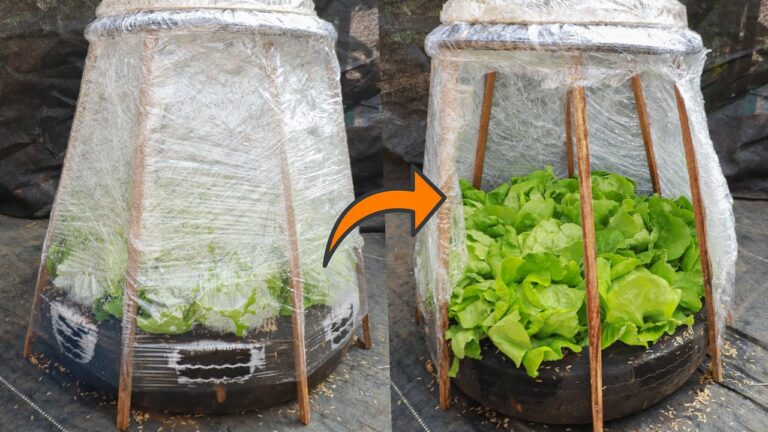
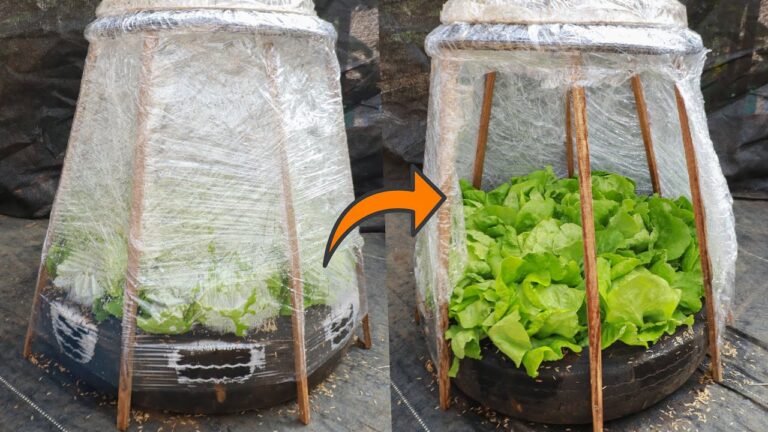
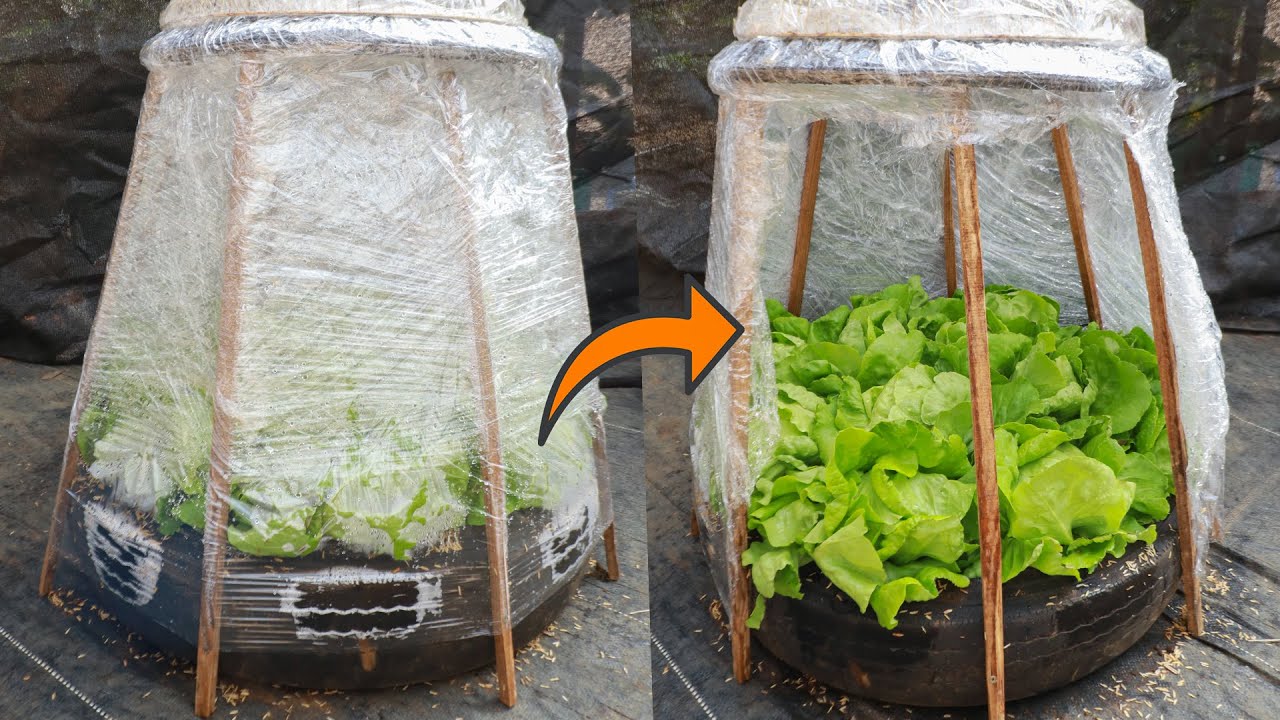
Stack the tires on top of each other, making sure they are stable. Aim for a setup that is around 3 to 4 tires high. This design will trap warmth effectively, providing a cozy environment for your plants. You can also place a clear plastic sheet over the top to enhance insulation during the coldest days.
3. Fill with Soil Mix
Once your structure is in place, fill each tire with your soil mix. Leave about an inch from the top to avoid spillage when watering. Make sure the soil is well-packed but not too compact, allowing your lettuce roots to flourish.
4. Sow Your Lettuce Seeds
Now for the exciting part: planting! Scatter your selected lettuce seeds evenly across the surface of the soil in each tire. As a general rule, plant seeds according to the package instructions, for depth and spacing. Lightly cover them with a thin layer of soil.
Care Tips for Your Lettuce
With everything planted, let’s explore how to care for your lettuce to ensure a bountiful harvest.
1. Water Regularly
Keep the soil consistently moist, but avoid making it soggy. Water your lettuce every few days to ensure they have enough moisture, especially during dry spells.
2. Monitor Temperature
Check the temperature inside your mini greenhouse regularly. If it gets too hot, you might consider ventilating the structure by slightly opening the plastic cover. Conversely, if temperatures drop too low, ensure your structure is well-insulated.
3. Fertilize as Needed
Once seedlings begin to grow, a light feeding with a diluted organic fertilizer can promote healthy growth. Apply this every few weeks to give your lettuce an extra boost.
Common Mistakes to Avoid
Even with the best intentions, some mistakes can undermine your efforts. Here are a few to watch out for:
- Overwatering: This can lead to root rot. Ensure the soil dries slightly between watering sessions.
- Ignoring pests: Keep an eye out for slugs or aphids that may invade your lettuce. Take action promptly to protect your plants.
- Not thinning seedlings: If too many seedlings sprout in one area, thin them out to avoid competition for nutrients and sunlight.
FAQ
Can I grow different types of lettuce together?
Yes, blending varieties can create a visually appealing and diverse garden. Just ensure they have similar growth requirements.
How often should I harvest my lettuce?
You can start harvesting lettuce around 30 days after planting, depending on the variety. Always pick the outer leaves first to allow the inner ones to continue growing.
Is a mini greenhouse necessary for winter gardening?
While not strictly necessary, a mini greenhouse provides essential warmth and protection, resulting in healthier plants and a more successful harvest.
Conclusion
Growing lettuce in a mini greenhouse made from recycled tires is a sustainable way to enjoy fresh greens during winter. With careful attention to care and common gardening errors, you can achieve a vibrant harvest. What types of lettuce are you excited to try in your mini greenhouse? Feel free to share your thoughts in the comments below!