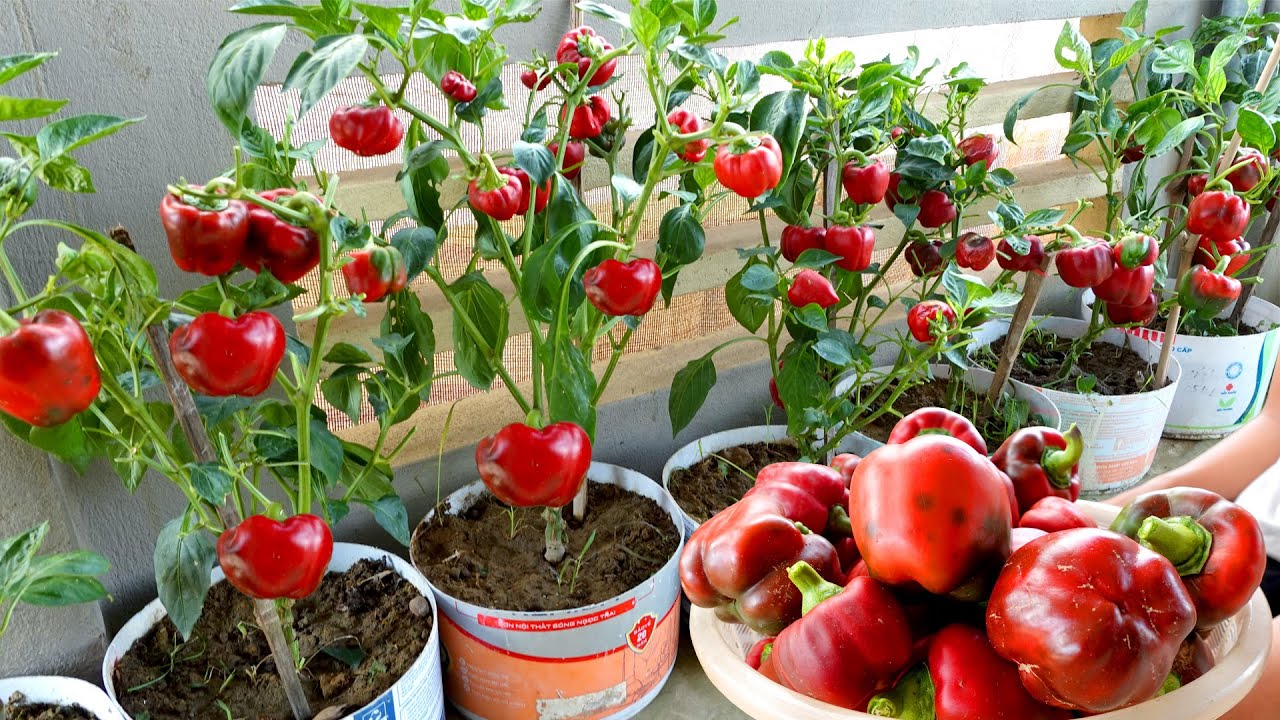
5 Easy Tips for Growing Abundant Heat Resistant Bell Peppers on Your Terrace
5 Easy Tips for Growing Abundant Heat Resistant Bell Peppers on Your Terrace
- Introduction
- Choosing Heat Resistant Varieties
- Finding the Perfect Location
- Watering Techniques for Success
- Common Mistakes to Avoid
- FAQ
- Conclusion
Introduction
Picture this: it’s a sweltering summer day, and you’ve decided to enjoy gardening on your terrace. You’ve nurtured your plants, but when it comes time to harvest your bell peppers, they seem lackluster. Many gardeners face challenges growing vibrant and flavorful peppers in hot conditions, leading to frustration and disappointment. Understanding how to select the right varieties and implement effective growing strategies is essential for achieving a bountiful harvest. Keep reading to learn how to cultivate heat resistant bell peppers that thrive in the summer sun.
Choosing Heat Resistant Varieties
Selecting the appropriate bell pepper varieties is crucial for successful growth in warmer climates. Here are some tips for choosing heat resistant options:
- Research local climate conditions: Not all bell peppers handle heat equally well. Look for types that thrive in your region.
- Opt for hybrids: Hybrid varieties, such as ‘Sunbelt’ or ‘Carmen,’ often accommodate heat better than heirlooms.
- Check for disease resistance: Choosing strains that resist common diseases can boost your overall yield when the weather is harsh.
Popular Heat Resistant Varieties
- ‘California Wonder’: A classic choice with robust flavor and good heat tolerance.
- ‘Anaheim’: A mild pepper that grows well in warmer temperatures.
- ‘Habanero’: Although not a bell pepper, this variety thrives in heat and adds a unique touch to your garden.
Finding the Perfect Location
Your terrace’s setup can significantly influence the success of your bell peppers. Consider these strategies to select an optimal growing location:
- Assess sunlight exposure: Bell peppers require full sun, ideally 6-8 hours a day.
- Ensure airflow: Good ventilation will prevent diseases. Space pots adequately to allow air circulation.
- Provide protection from harsh winds: If your terrace is windy, consider using barriers like trellises or screens to shield your plants.
Arranging Your Garden
Group bell peppers with companion plants such as basil or marigold to enhance growth and deter pests. This arrangement can create a vibrant and functional garden space.
Watering Techniques for Success
Proper watering is essential to prevent stress on your bell peppers. Follow these guidelines for effective watering:
- Water deeply but infrequently: This encourages deep root growth, which helps the plants withstand high temperatures.
- Use mulch: Apply organic mulch, such as straw or wood chips, around the base of your plants to retain soil moisture.
- Monitor soil moisture: Use your finger to check if the top inch of soil is dry before watering again to avoid over-saturation.
Signs of Water Stress
Keep an eye out for yellowing leaves or wilting plants, which may indicate your bell peppers require more water or are experiencing excessive heat.
Common Mistakes to Avoid
- Avoid over-fertilizing: Too much fertilizer can burn roots and hinder fruit production.
- Don’t crowd your plants: Sufficient space between plants allows for better airflow and reduces the risk of disease.
- Neglecting pest control: Regularly inspect your plants and use natural remedies like neem oil when pests are identified.
FAQ
What type of soil is best for growing bell peppers?
Bell peppers thrive in well-drained, nutrient-rich soil. A mix of compost and garden soil works well for healthy growth.
When should I fertilize bell pepper plants?
Fertilize your bell peppers about four weeks after planting, and then apply a balanced fertilizer every 4-6 weeks to support growth.
Can bell peppers survive extreme heat?
While bell peppers prefer warm temperatures, they can struggle in excessive heat. Ensure proper watering and choose heat-resistant varieties for the best results.
Conclusion
Successfully growing heat resistant bell peppers requires careful selection of varieties, strategic location, and appropriate watering practices. By avoiding common mistakes, you can look forward to a vibrant harvest from your terrace garden. What challenges have you faced in growing bell peppers, and how have you overcome them? Your experiences could help others!