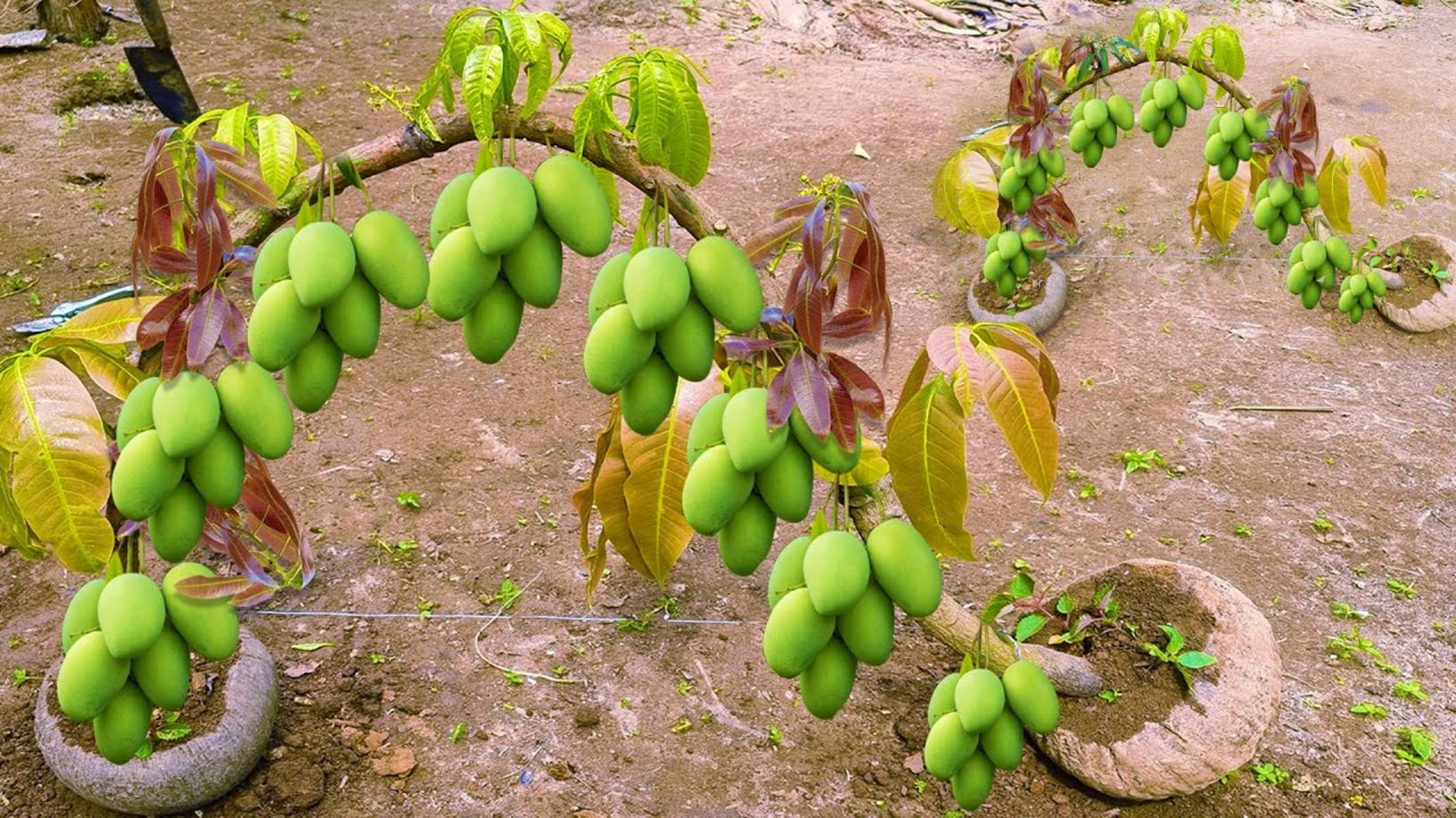
This simple gesture transforms coconut shells into thriving mango trees…
This Simple Gesture Transforms Coconut Shells into Thriving Mango Trees
The Unique Technique of Grafting Mango Trees Using Coconuts
Imagine nurturing a **mango tree** that flourishes thanks to the humble coconut shell! This innovative technique can help you grow **mango trees** faster and even increase their fruit yield. In this article, we’ll dive into the step-by-step process of grafting mango trees using coconut shells, share practical tips, and highlight common mistakes to avoid.
Step-by-Step Guide to Grafting Mango Trees
1. Gather Your Materials
Start by collecting the following essentials:
- Healthy **mango tree grafts**
- Empty coconut shells
- Sharp knife
- Grafting tape or natural twine
- High-quality **natural fertilizer**
2. Prepare the Coconut Shells
Carefully cut the coconut shell in half. Remove the inner coconut, leaving a sturdy shell. Ensure there are holes for drainage at the bottom.
3. Select and Prepare the Graft
Choose a **healthy mango cutting** from a mature tree. The cutting should be around 6-8 inches long with several leaves. Make an angled cut at the base for better surface area.
4. Graft the Mango Cutting
Insert the cutting into the coconut shell and secure it. Use grafting tape or twine to hold it in place, ensuring it’s firm but not too tight to impede growth.
5. Create an Ideal Environment
Place the coconut shell in a well-lit area. Ensure it receives filtered sunlight to prevent overheating. The coconut shell retains moisture, which is beneficial for the graft.
6. Introduce the Best Natural Hormone
Applying **natural rooting hormone** can enhance the success rate. You can use aloe vera gel or honey—both promote root development and overall health.
Practical Tips for Success
- Regularly check moisture levels in the coconut shell; it should remain damp but not soggy.
- Be patient! Roots may take several weeks to develop.
- Once roots are established, consider transplanting the new mango tree into a larger pot or directly into the garden.
Common Mistakes to Avoid
- Using unhealthy cuttings can lead to failure. Always choose vibrant, robust specimens.
- Avoid excess moisture, which can cause rot. Ensure proper drainage.
- Don’t rush the transplanting process; waiting for roots to develop is crucial.
A Motivating Conclusion
Now you know how to transform coconut shells into thriving **mango trees**! By following this **unique grafting technique**, you can enjoy the delightful taste of homegrown mangos in no time. So gather your materials and start your gardening adventure today! Share your experiences and successes, and don’t hesitate to reach out if you have questions along the way. Happy gardening!