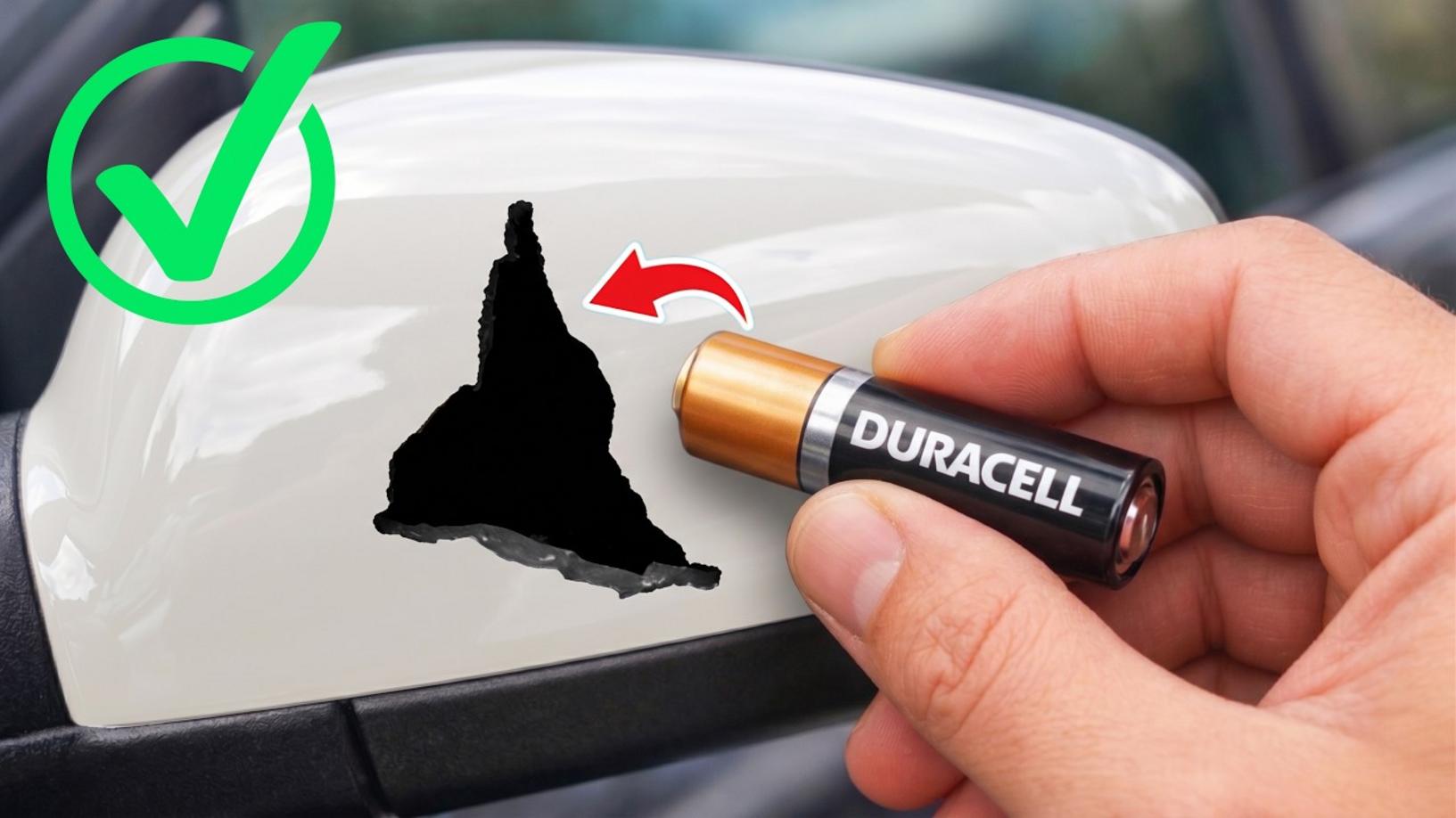
This easy trick revives broken car plastic like new…you’ll want to try it!
This Easy Trick Revives Broken Car Plastic Like New…You’ll Want to Try It!
Introduction
Do you have broken car plastics that seem impossible to fix? This simple yet effective trick can **transform** your car’s damaged plastic back to looking like new. With minimal effort, you can save money on repairs and retain your car’s aesthetic appeal. Let’s dive into how you can achieve stunning results with just a few items!
Step-by-Step Instructions
Gather Your Materials
Before starting, ensure that you have the following materials:
- Heat gun or a hairdryer
- Plastic filler or epoxy
- Sandpaper (fine grit)
- Clean cloth
- Primer (optional)
- Paint (matching your car color)
Step 1: Clean the Area
Start by using a **clean cloth** to wipe down the broken area. Removing dirt and grease ensures that the materials adhere properly.
Step 2: Apply Heat
Carefully heat the broken plastic using a **heat gun** or hairdryer. Keep it at a safe distance—this softens the plastic, making it easier to reshape. Avoid overheating to prevent burns or damage!
Step 3: Reshape the Plastic
Once the plastic is soft, gently re-shape it back into position. Use your fingers or a tool (wear gloves!) to mold it smoothly.
Step 4: Fill in Gaps
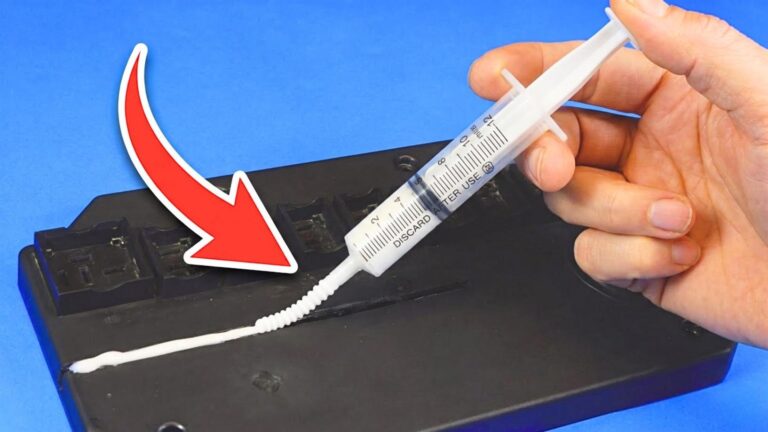
If there are any gaps or cracks, apply **plastic filler** or epoxy to fill them. Smooth it out with a spatula for a seamless finish. Allow it to cure as per the manufacturer’s instructions.
Step 5: Sand and Paint
After the filler has dried, use **fine-grit sandpaper** to smooth the surface. Dust off any residue with a cloth. If desired, apply a primer before painting to improve adhesion and durability.
Step 6: Final Touches
Finally, paint the area with a color that matches your car. Apply thin, even coats for the best results, allowing each coat to dry before applying the next.
Practical Tips Based on Experience
- Always test the heat tool on a small area first to ensure you don’t damage the surrounding plastic.
- Choose a **plastic filler** that’s specifically designed for automotive use for the best results.
- Consider using automotive paint for long-lasting color that withstands UV rays.
Common Mistakes to Avoid
- Overheating the plastic can lead to irreversible damage.
- Skipping the cleaning step might compromise adhesion, leading to future repairs.
- Not allowing adequate drying time for fillers and paint can ruin the finish.
Conclusion
Reviving broken car plastic is not only easy but also budget-friendly. By following these steps, you can restore your vehicle’s appearance without spending on expensive repairs. So, gather your materials today and take on that DIY challenge—your car deserves it! Don’t forget to share your results and inspire others to bring their car plastics back to life!