5 Simple Steps to Grow Lettuce in Winter Using Recycled Tires
How to Grow Lettuce in Winter Using Recycled Tires
- Introduction
- Required Materials
- Planting Process
- Care Tips for Winter Lettuce
- Common Mistakes to Avoid
- FAQ
- Conclusion
Introduction
Picture this: it’s a chilly winter day, and the ground outside is frozen solid. Yet, the thought of fresh, crisp lettuce brightens your kitchen. As you gaze at those empty recycled tires in your shed, you might wonder if they could help you achieve this edible delight in your garden. The good news? You can successfully grow lettuce even in the colder months using these tires! This guide will share effective methods to turn your recycled materials into a garden oasis for winter greens.
Required Materials
Before diving in, gather everything you need to set up your winter lettuce garden.
- Recycled tires: Ensure they are clean and free from debris.
- Potting soil: Choose a quality mix to provide optimal nutrients.
- Lettuce seeds: Look for cold-tolerant varieties.
- Watering can or hose for hydration.
- Shovel or spade for easy soil transfer.
With these materials ready, you’re set to start your winter gardening adventure!
Planting Process
Now that you have your materials, it’s time to get planting.
- Prepare the tires: Clean the interiors of the tires, ensuring no remnants of dirt or debris remain.
- Fill with soil: Layer potting soil into the tires, leaving about an inch from the top.
- Sow seeds: Plant your lettuce seeds about ¼ inch deep and space them as per the seed packet instructions.
- Water gently: After sowing, lightly spray or sprinkle water to moisten the soil without washing out the seeds.
Following these steps will give your seeds a great start in their new environment.
Care Tips for Winter Lettuce
Caring for your lettuce during winter requires some attention and adjustments to typical gardening practices.
1. Sunlight Exposure
Position your tires in a spot that receives ample sunlight, ideally 6–8 hours a day. If natural light is scarce, consider moving the tires to a sunnier location.
2. Watering Routine
Monitor the moisture levels in the soil, especially in the colder months. Water when the top inch of soil feels dry, ensuring the lettuce continues to thrive.
3. Frost Protection
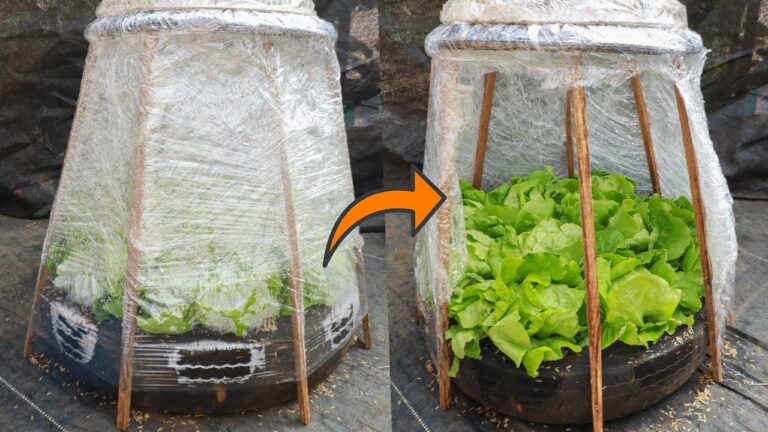
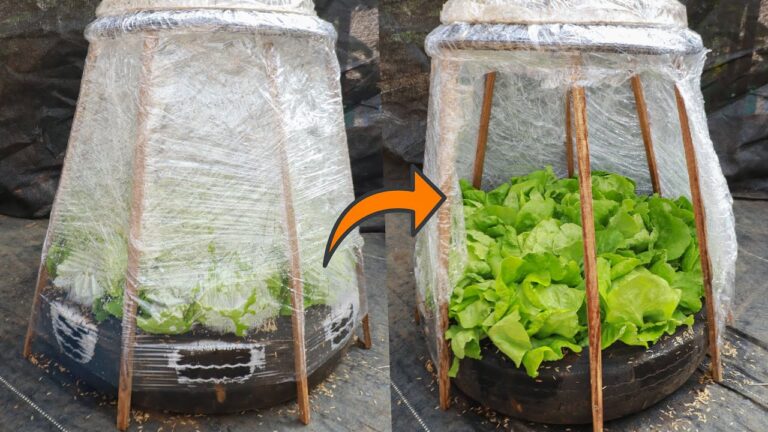
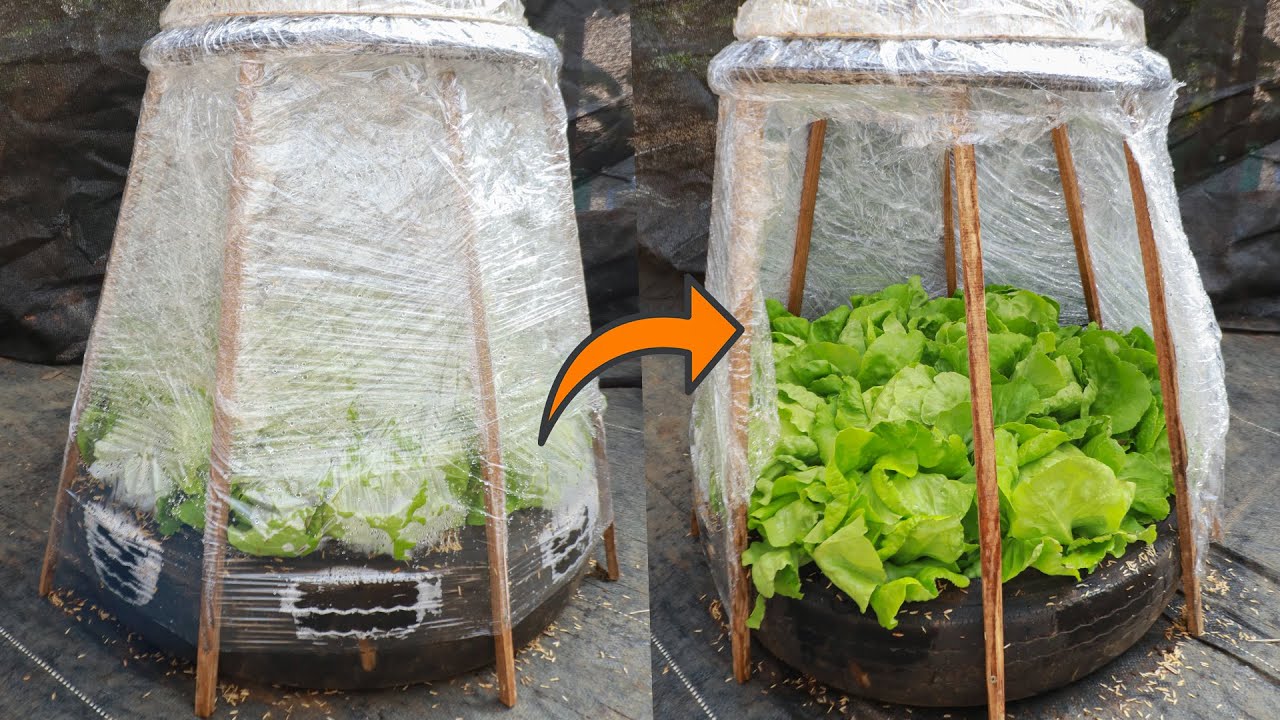
In extreme cold, consider covering your tires with a frost cloth at night to shield them from severe temperature drops. Remove the cloth during sunny days to allow warmth and light.
Common Mistakes to Avoid
Even experienced gardeners can falter. Here are common pitfalls when growing lettuce in winter using recycled tires.
- Not ensuring proper drainage can lead to root rot. Make sure the tires are positioned well or have holes for drainage.
- Choosing lettuce varieties that aren’t cold-tolerant hampers growth. Always opt for varieties suited for winter climates.
- Overwatering the soil leads to soggy conditions, hindering seed germination. Monitor soil moisture regularly.
- Neglecting to provide frost protection during particularly chilly spells can damage young plants.
- Failing to position the tires in a sunny area may result in slow growth or leggy lettuce looking for light.
FAQ
Can I grow other vegetables in recycled tires during winter?
While lettuce thrives in colder conditions, other leafy greens like kale or spinach also do well. Root vegetables may struggle with low temperatures.
How often should I check my tires for moisture?
Check the moisture in the soil every few days. In winter, the watering frequency will decrease, but be attentive to any changes in temperature.
What should I do if my lettuce starts wilting?
Wilting can indicate underwatering or overwatering. Check the soil moisture and adjust your watering routine as necessary.
Conclusion
With the right preparation and care, growing lettuce in winter using recycled tires can enhance your garden and provide fresh greens during the off-season. Have you ever tried planting in unexpected containers? Share your experiences in the comments below!