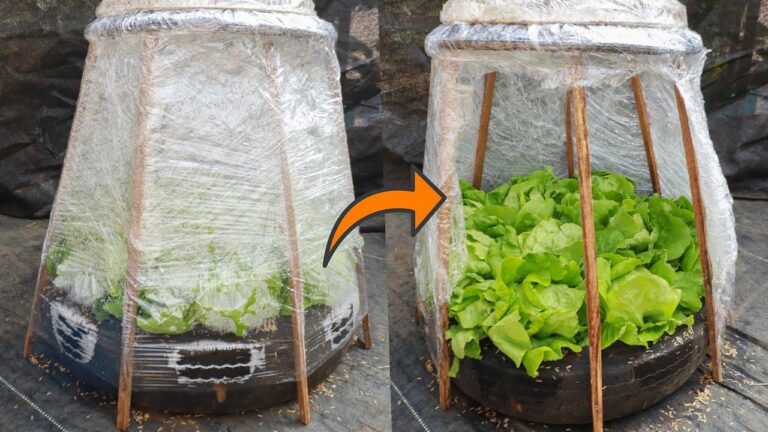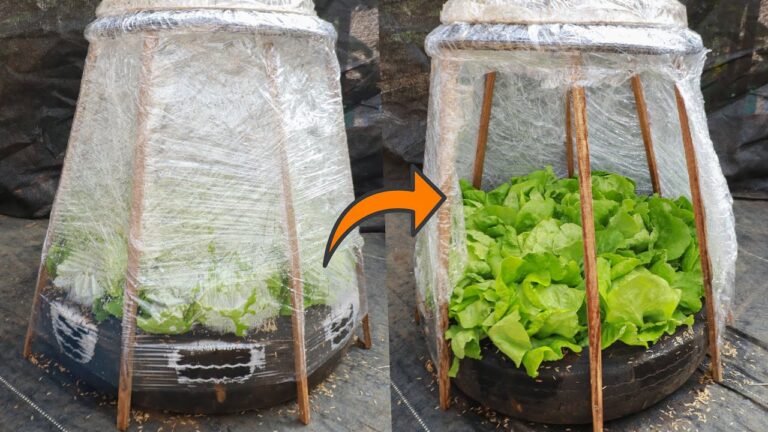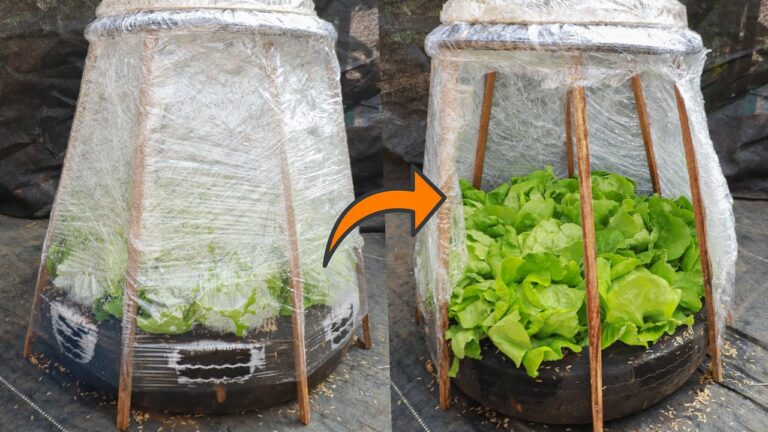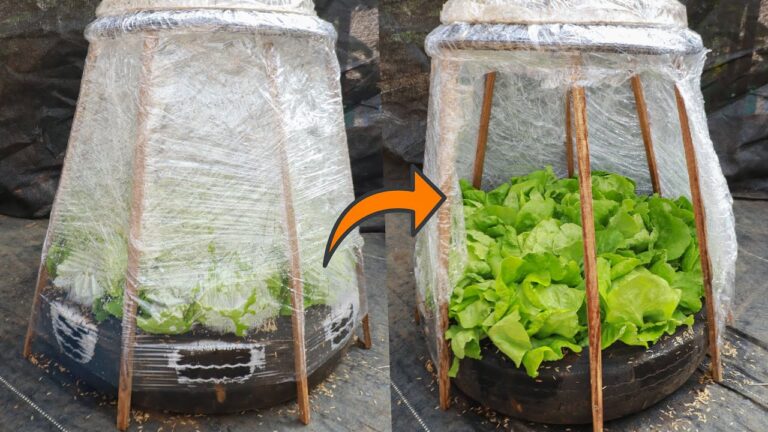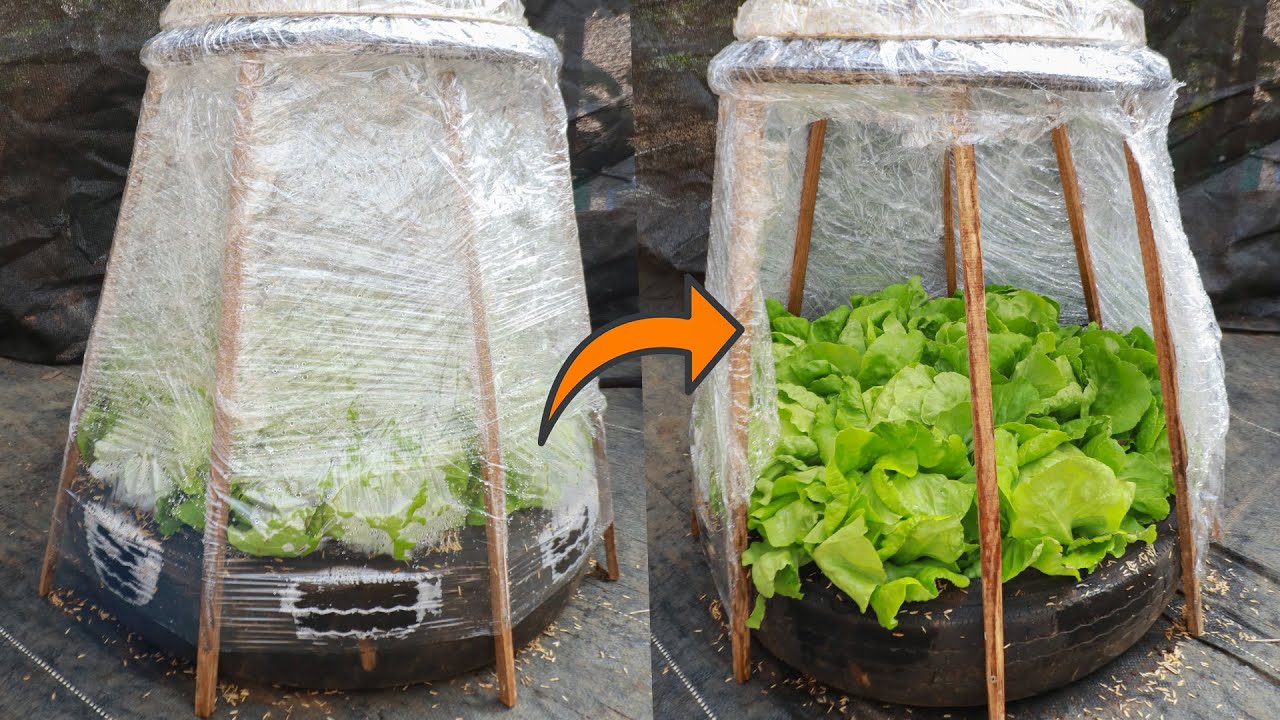
7 Easy Steps to Grow Lettuce in Winter Using Recycled Tires in Your Mini Greenhouse
Grow Lettuce in Winter: A Guide Using Recycled Tires in Your Mini Greenhouse
- Introduction
- Benefits of Growing Lettuce in Winter
- Required Materials
- Step-by-Step Guide to Growing Lettuce
- Common Mistakes to Avoid
- FAQ
- Conclusion
Introduction
Many gardeners find themselves longing for fresh greens during the cold months. The thought of growing your own lettuce in winter might seem impossible, especially when faced with frost and biting winds. If you’ve been looking for a creative solution, finding a way to utilize recycled materials for your gardening can be just the answer. Exploring how to use tires in a mini greenhouse could lead to a sustainable solution for even the coldest seasons. Read on to discover how you can make this work in your own garden.
Benefits of Growing Lettuce in Winter
Growing lettuce during the winter offers numerous advantages. Not only does it provide fresh produce when grocery options are limited, but it also supports self-sufficiency. Using a mini greenhouse protects your plants from harsh weather, improving their chances of thriving.
1. Fresh Nutrition
Homegrown lettuce is packed with nutrients that store-bought varieties may lack. You can grow different types according to your palate and dietary needs.
2. Environmental Benefits
By using recycled tires, you contribute to waste reduction and promote a sustainable gardening practice. This method is a fantastic way to repurpose materials that would otherwise contribute to landfill waste.
3. Cost-Effective Gardening
Growing your own lettuce can save you money on groceries, especially during months when prices are high due to supply shortages.
Required Materials
Before jumping into the process, gather the necessary materials to ensure smooth execution.
- Recycled tires (2-3, depending on your space)
- Potting soil for filling the tires
- Seeds for your preferred varieties of lettuce
- Watering can or hose
- Protective cover (plastic or fabric) for the mini greenhouse
These materials, especially tires, can be a talk starter and a prime example of creative recycling in your garden.
Step-by-Step Guide to Growing Lettuce
Follow these steps to set up your mini greenhouse and grow lettuce using recycled tires.
1. Prepare the Tires
Start by cleaning the tires to remove any dirt or debris. You can wash them with soapy water and rinse thoroughly.
2. Stack the Tires
Once clean, stack two or three tires on top of each other to create a planter. The height will allow for better drainage and root development.
3. Fill with Soil
Next, fill the stacked tires with potting soil. Leave about an inch of space at the top to make watering easier and to prevent soil from spilling over.
4. Plant the Seeds
Plant the lettuce seeds according to the packet instructions. Generally, sow them about ½ inch deep, and provide sufficient spacing for air circulation.
5. Cover and Water
After planting, cover the setup with a protective layer. This can be a simple plastic sheet or fabric to retain warmth. Don’t forget to water them regularly to keep the soil moist without oversaturating.
6. Monitor Growth
As your lettuce begins to sprout, make sure to check it regularly. Remove any weeds that may appear and maintain moisture. Consider rotating the tires to keep them illuminated evenly.
7. Harvest
Once your lettuce has grown to a suitable height, harvest it by cutting leaves as needed. This practice allows the plant to continue growing, providing you with a steady supply.
Common Mistakes to Avoid
Even seasoned gardeners can make mistakes when growing lettuce in winter. Here are a few pitfalls to watch out for.
- Overwatering can lead to root rot, so be mindful of dampness.
- Not using a protective cover can expose your plants to cold temperatures excessively.
- Ignoring the spacing guidelines can result in overcrowded plants that compete for nutrients.
- Using contaminated tires may introduce harmful substances to your soil.
FAQ
Can lettuce grow well in recycled tires?
Yes, lettuce can thrive in recycled tires as they provide adequate drainage and space for root development, especially when used in a mini greenhouse environment.
What types of lettuce are best for winter gardening?
Varieties like butterhead, romaine, and leaf lettuce are particularly well-suited for winter gardening due to their resilience to cooler temperatures.
How often should I water my winter lettuce?
Water your winter lettuce regularly, about once a week, ensuring the soil is moist but not waterlogged. Adjust based on your climate and the tire setup.
Conclusion
Growing lettuce in winter using recycled tires in a mini greenhouse offers a resourceful way to enjoy fresh greens during the colder months. With the right materials and care, you can successfully grow your own supply of lettuce. What varieties of lettuce are you excited to grow this winter? Share your thoughts in the comments below!