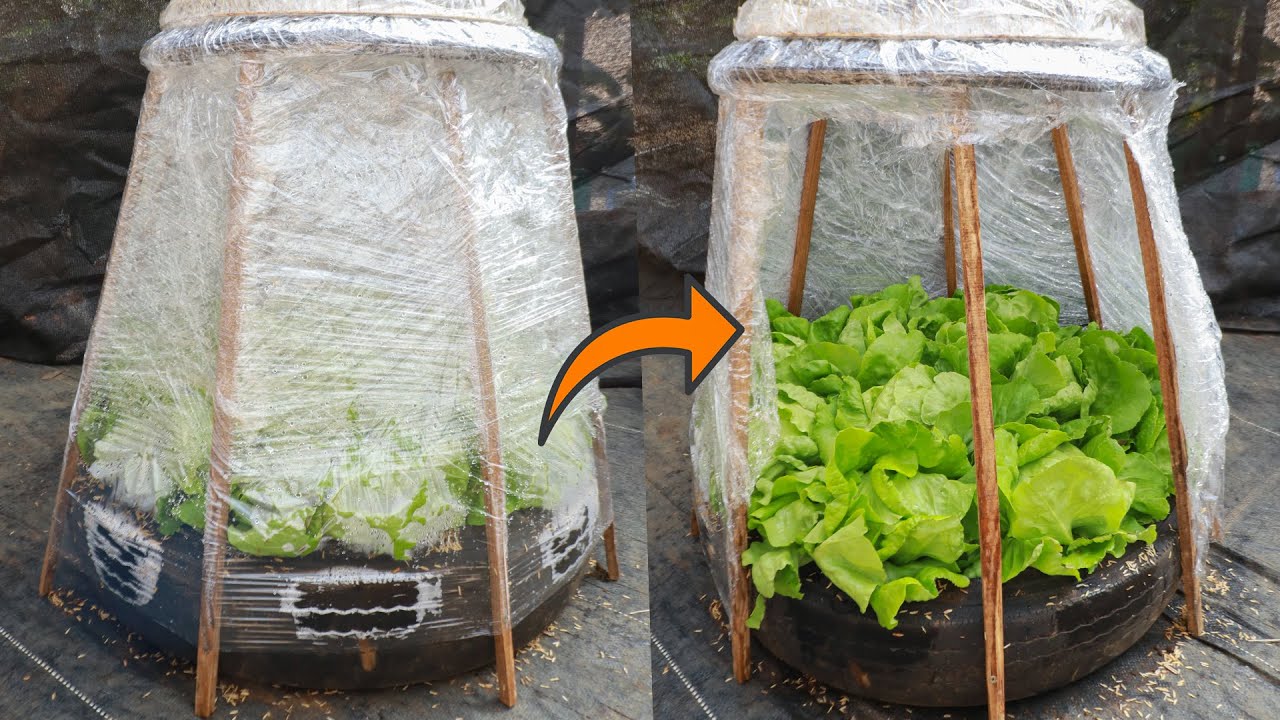
5 Steps to Grow Lettuce in Winter Using a Mini Greenhouse from Recycled Tires
5 Steps to Grow Lettuce in Winter Using a Mini Greenhouse from Recycled Tires
- Introduction
- Required Materials
- Preparing Your Tires
- Planting Lettuce
- Caring for Your Lettuce
- Common Mistakes to Avoid
- FAQ
- Conclusion
Introduction
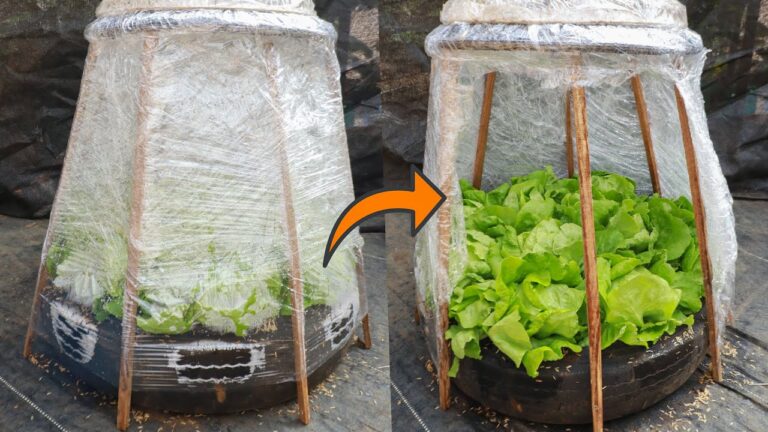
Imagine looking out at a frosty landscape while knowing you have fresh lettuce growing just outside your door. Winter gardening can be incredibly rewarding, yet many assume that growing vegetables during colder months is impossible. The good news is that with a mini greenhouse made from recycled tires, you can successfully grow nutritious lettuce even when temperatures dip. This guide will walk you through the process step by step, ensuring you have everything you need to enjoy homegrown greens all winter long.
Required Materials
To create your mini greenhouse for winter lettuce growth, you will need some specific materials. Here’s what you should gather:
- Recycled tires: Ensure they are clean and free of harmful substances.
- Plastic sheeting: Clear is best, as it allows for light penetration.
- Soil mix: A blend that retains moisture while offering good drainage.
- Lettuce seeds: Choose varieties suited for winter growth.
- Garden tools: Spade, trowel, and watering can.
Preparing Your Tires
Before you can plant your lettuce, properly preparing the tires is essential for their effectiveness as a greenhouse. Follow these steps:
- Clean: Rinse each tire with a water and soap solution to remove any residue.
- Stack: Arrange two or three tires on top of one another to create a compact greenhouse structure.
- Line: Use plastic sheeting to line the insides of the tires, ensuring it’s securely attached and doesn’t obstruct drainage.
After completing these steps, your tires will be ready to serve as an ideal protective environment for your lettuce seedlings.
Planting Lettuce
Now that your mini greenhouse is set up, it’s time to plant your lettuce seeds. Follow these guidelines for a successful planting experience:
- Fill: Each tire should be filled with the prepared soil mix, leaving about an inch of space at the top.
- Sow: Place seeds evenly across the surface, then cover them lightly with soil.
- Water: Gently water the soil to ensure it’s moist but not waterlogged.
For optimal growth, consider marking the placement of each seed with small labels, making it easier to monitor their progress.
Caring for Your Lettuce
Maintaining the right conditions is crucial for your lettuce to thrive in winter. Here’s how to care for your plants:
Monitoring Temperature
Keep an eye on the internal temperature of your mini greenhouse. Using a thermometer can help you avoid extremes.
Watering Schedule
Water your lettuce regularly, ensuring the soil remains consistently moist. Check daily in warmer periods.
Fertilizing
Consider using an organic fertilizer every few weeks to provide essential nutrients as your lettuce grows.
Common Mistakes to Avoid
Even a mini greenhouse can face challenges. Here are some mistakes to steer clear of:
- Not using clean, safe tires that could leach harmful chemicals into the soil.
- Overwatering, which can lead to root rot and weaken your lettuce plants.
- Neglecting temperature regulation, which is crucial during cold nights.
- Forgetting to check on seed growth regularly, which can lead to poor germination rates.
FAQ
Can I use any type of tire for the mini greenhouse?
While you can use most tires, it’s best to opt for those in good condition and free of cracks or rot. Avoid tires that may have toxic substances inside.
Which lettuce varieties are best for winter growing?
Some great options include butterhead, romaine, and leaf lettuces, as they typically withstand colder temperatures better.
How much sunlight does my mini greenhouse need?
A minimum of 6 hours of sunlight per day is ideal, so place your greenhouse in a location that receives ample light during the day.
Conclusion
Growing lettuce in winter using a mini greenhouse made from recycled tires not only helps you enjoy fresh greens but also promotes sustainable practices. By following these steps, you can successfully cultivate your indoor garden. What varieties of lettuce are you excited to try growing this winter?