7 Simple Steps to Grow Lettuce All Winter in a Mini Greenhouse from Recycled Tires
7 Simple Steps to Grow Lettuce All Winter in a Mini Greenhouse from Recycled Tires
- Introduction
- Required Materials
- Building the Greenhouse
- Planting Lettuce
- Common Mistakes to Avoid
- FAQs
- Conclusion
Introduction
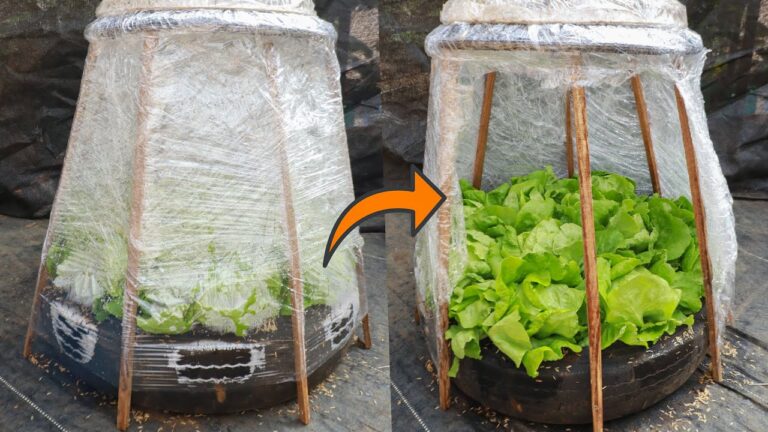
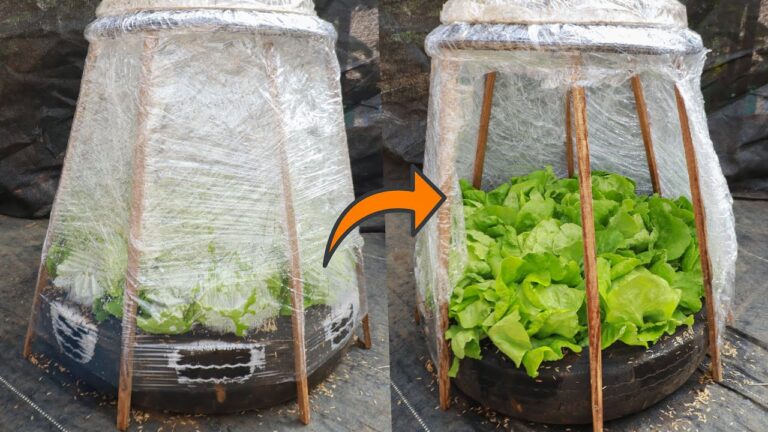
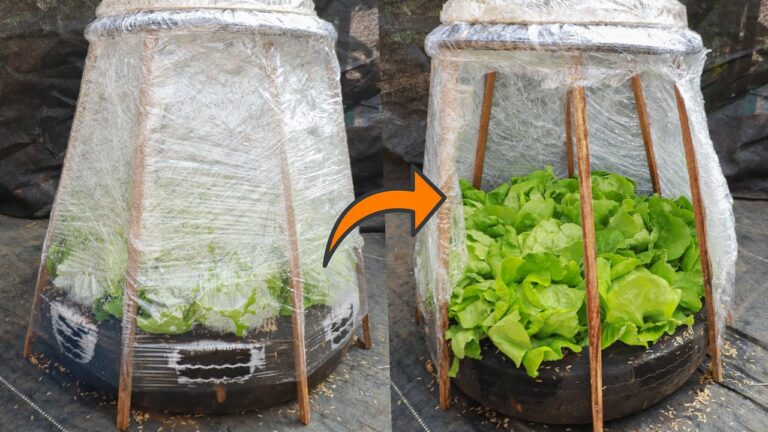
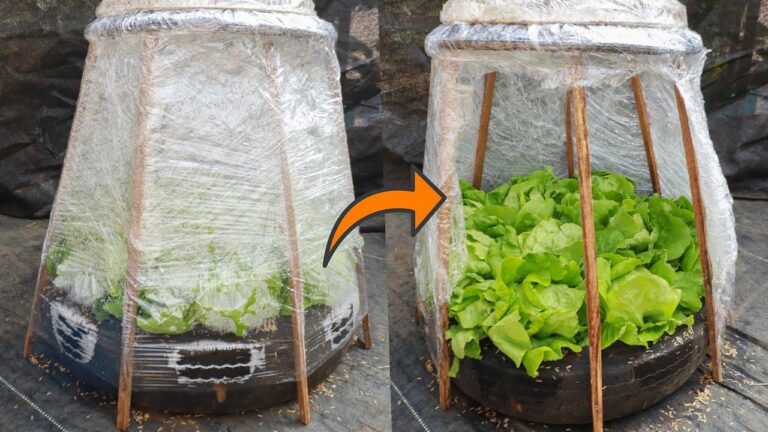
Imagine stepping outside during a chilly winter day and being greeted by vibrant green lettuce growing in your backyard. This scenario might seem far-fetched, especially when the cold weather seems to halt all gardening activities. However, with a little creativity and resourcefulness, you can enjoy fresh lettuce straight from your own mini greenhouse made from recycled tires. The following guide will help you understand how to embrace winter gardening and keep those leafy greens thriving.
Required Materials
Before you dive into creating your winter garden, gather the necessary materials to ensure success. Here’s a list of essentials:
- Recycled tires (preferably 2-3 for stacking)
- Plastic sheeting or a small greenhouse cover
- Potting soil or a suitable growing medium
- Seeds for your favorite lettuce varieties
- Watering can or hose for irrigation
- Garden tools (trowel, gloves, etc.)
Having these materials at hand will set the stage for your winter lettuce adventure.
Building the Greenhouse
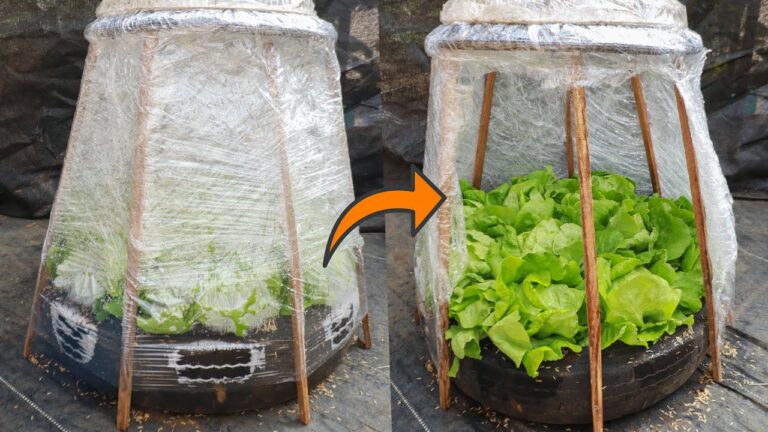
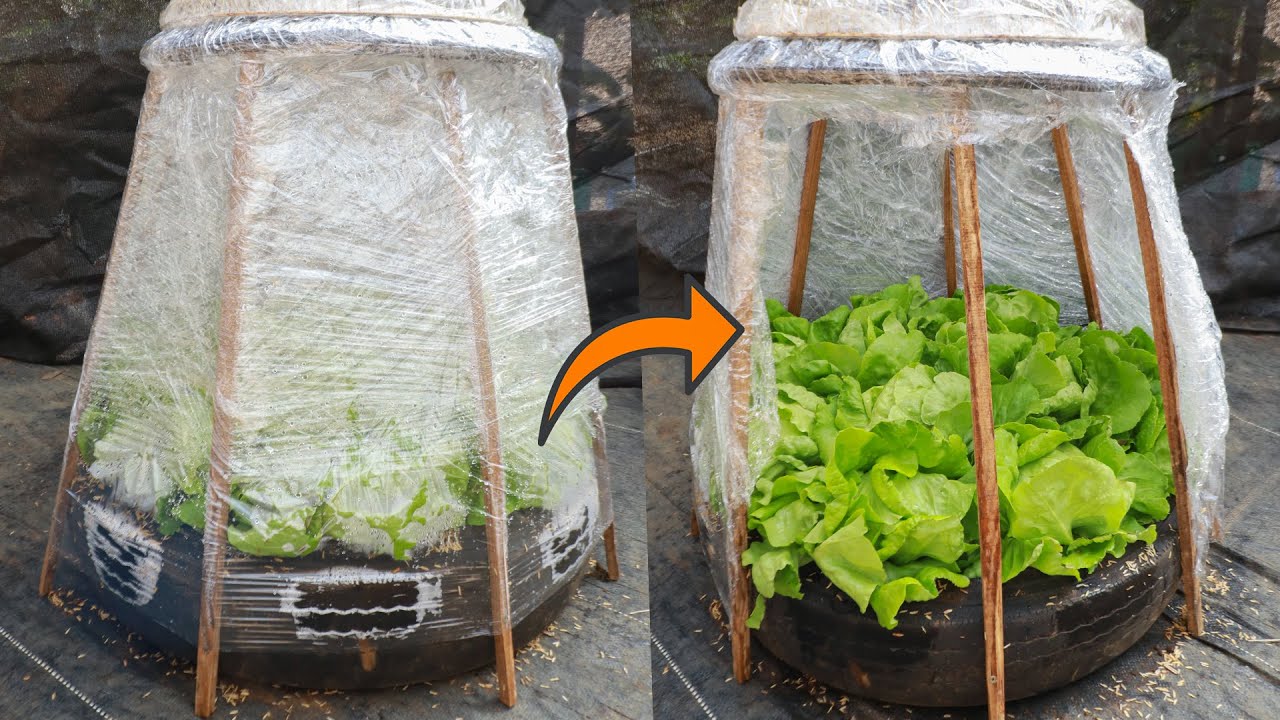
Creating a mini greenhouse from recycled tires is an eco-friendly project that keeps your lettuce warm throughout the winter. Follow these steps to build it:
1. Choose Your Location
Select a sunny spot in your yard that receives plenty of light. The more sunlight your greenhouse gets, the warmer it will be.
2. Stack the Tires
Begin by stacking two to three tires on top of each other. Ensure they are stable to provide a solid base for your greenhouse.
3. Cover with Plastic Sheeting
Use the plastic sheeting to cover the open top and sides of the stacked tires. Secure it tightly to protect against wind and to retain warmth. Ensure that you can easily access the lettuce inside.
4. Create Ventilation
It’s essential to allow for some airflow. You can leave one side slightly open or cut small holes in the plastic. This prevents overheating and encourages fresh air circulation.
5. Monitor Temperature
Check the temperature inside your greenhouse regularly, especially during sunny days. If it gets too warm, adjust the ventilation as needed.
Planting Lettuce
Now that your mini greenhouse is ready, it’s time to plant your lettuce. Follow these steps for the best results:
1. Prepare the Soil
Fill the tires with your chosen potting soil, ensuring it’s well-aerated and free from clumps.
2. Sow the Seeds
Evenly distribute your lettuce seeds over the soil and lightly cover them. Make sure to follow the recommended spacing on the seed packets for optimal growth.
3. Water Regularly
Gently water the seeds using a watering can or hose, being cautious not to displace them. Aim to keep the soil consistently moist but not soaked.
4. Monitor Growth
Check your lettuce regularly to see how it’s growing. Thin the plants if they become overcrowded to ensure they have enough space to develop.
Common Mistakes to Avoid
Even with the best intentions, it’s easy to make mistakes during your winter gardening adventure. Here are some common pitfalls to avoid:
- Overwatering the seeds can lead to rot. Ensure the soil is moist but well-drained.
- Neglecting to check temperature may cause overheating, damaging your plants. Keep an eye on the greenhouse environment.
- Choosing the wrong variety of lettuce could lead to poor growth in the winter. Opt for cold-hardy types.
- Not providing ventilation can create a humid environment, which might encourage mold growth.
- Planting too densely can stifle individual plant growth. Ensure proper spacing between seedlings.
FAQs
Can I grow other vegetables in a mini greenhouse during winter?
Yes, many hardy vegetables like kale and spinach can thrive in a mini greenhouse alongside lettuce.
How often should I check on my mini greenhouse?
It’s a good idea to check on your greenhouse daily to monitor temperature, moisture, and plant growth.
Is it possible to reuse the tires after the gardening season?
Absolutely! After the winter season, you can repurpose the tires for other creative projects or gardening uses.
Conclusion
Winter gardening is entirely possible with a bit of innovation and the right setup. By following these steps to grow lettuce in a mini greenhouse from recycled tires, you can enjoy fresh greens even in the coldest months. What varieties of lettuce are you excited to try growing this winter? Share your thoughts in the comments below!