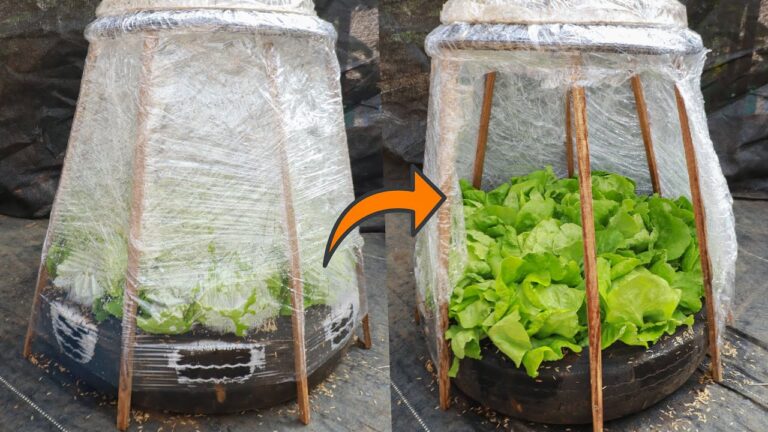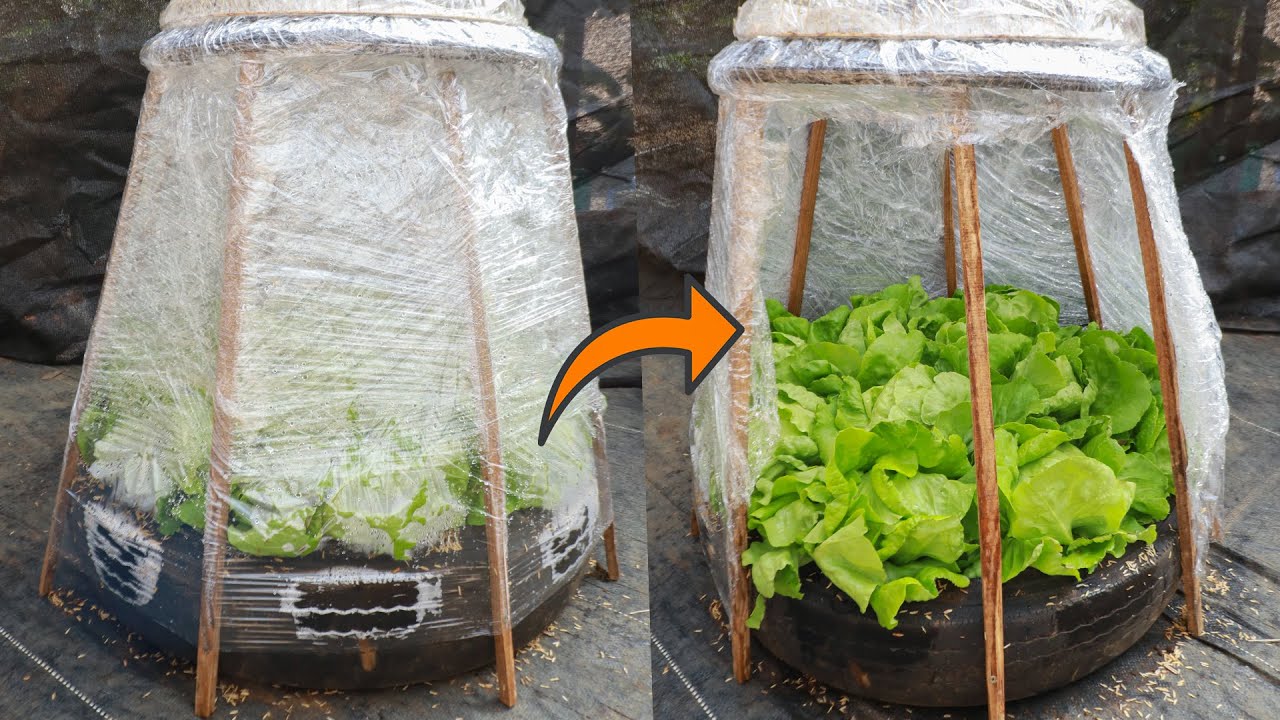
10 Simple Steps to Grow Lettuce in Winter Using Recycled Tires
How to Grow Lettuce in Winter Using Recycled Tires
- Introduction
- Benefits of Growing Lettuce in Winter
- Required Materials
- Planting and Care Tips
- Common Mistakes to Avoid
- FAQ
- Conclusion
Introduction
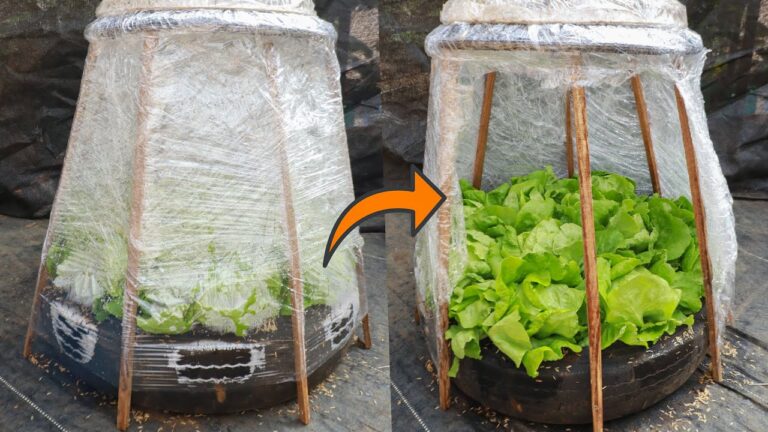
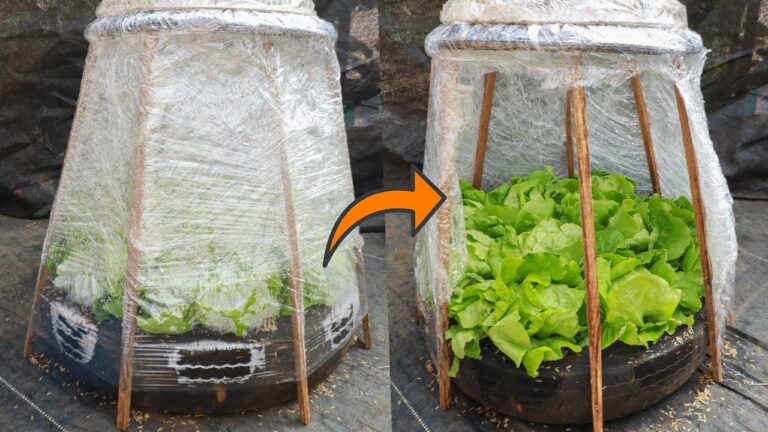
Many gardeners feel the chill setting in as winter approaches, and the thought of growing fresh produce might feel daunting. However, with a bit of creativity and resourcefulness, you can still enjoy crisp, homegrown lettuce during the colder months. Using recycled tires not only provides a unique growing space but also promotes sustainable gardening practices. If you’re curious about how to make this simple setup work for you, read on to discover the steps involved.
Benefits of Growing Lettuce in Winter
Growing lettuce in winter offers a variety of advantages that you might not have considered:
- Fresh Greens: Winter lettuce provides you with fresh, nutritious greens right from your backyard.
- Sustainable Practice: Utilizing recycled tires reduces waste and fosters a sustainable gardening approach.
- Space Efficiency: Tires create a compact, vertical growing environment, perfect for small areas.
Required Materials
Before you start your winter lettuce garden, gather these essential materials:
- Recycled tires: Ensure they are clean and free from chemicals.
- Quality soil: Use a well-draining potting mix for optimal growth.
- Seeds: Choose suitable lettuce varieties like Butterhead or Romaine.
- Watering can: For consistent watering.
- Mulch: To help retain moisture and protect roots.
Planting and Care Tips
Follow these steps to successfully grow your winter lettuce in recycled tires:
Step 1: Prepare the Tires
Start by preparing your recycled tires. Place them in a sunny location, ideally where they can receive at least 6 hours of sunlight a day. It’s also beneficial to stack several tires for added insulation and better drainage.
Step 2: Fill with Soil
Fill the tires with your selected potting soil, leaving about an inch from the top. This allows for adequate moisture retention and prevents spillage.
Step 3: Sow the Seeds
Check the seed packet for instructions, but generally, you should scatter the seeds evenly across the soil surface, then lightly cover them with more soil. Space your seeds according to the variety.
Step 4: Water Gently
After planting, water the soil gently until it’s moist but not soggy. This initial watering helps the seeds settle into their new environment.
Step 5: Provide Care
Maintain your lettuce garden by regularly checking its moisture level. Water as needed and add mulch around the base of the plants to help retain moisture and regulate soil temperature.
Common Mistakes to Avoid
Avoid these common pitfalls when growing winter lettuce in tires:
- Overwatering: This can lead to root rot. Check the soil moisture before watering.
- Inadequate sunlight: Ensure your tires are positioned for maximum sunlight exposure.
- Seed overcrowding: Follow spacing guidelines to prevent competition among seedlings.
- Ignoring pests: Keep an eye out for any pests, as they can still be active in winter.
- Neglecting fertilization: Consider using organic fertilizer every few weeks to encourage growth.
FAQ
Can I grow other vegetables in recycled tires? Yes, many container-friendly vegetables can thrive in tires, including herbs and smaller root vegetables.
How often should I water winter lettuce? Generally, watering once a week is sufficient, but monitor the soil for moisture levels.
What happens if my lettuce wilts? Wilting can indicate either over or underwatering. Check the soil moisture to determine the cause.
Conclusion
Growing lettuce in winter using recycled tires not only provides fresh produce but also embraces an eco-friendly approach. With the right materials and care, you can have a thriving garden even in the colder months. What varieties of lettuce do you plan to grow this winter? Share your thoughts in the comments below.