Grow Sweet Potatoes Year-Round: 5 Tips for a Bountiful Harvest!
Grow Sweet Potatoes Year-Round: 5 Tips for a Bountiful Harvest
- Introduction
- Optimal Growing Conditions
- Planting Tips
- Maintenance for Healthy Growth
- Common Mistakes to Avoid
- FAQ
- Conclusion
Introduction
Imagine stepping into your garden and being greeted by the vibrant greenery of sweet potato vines, their beautiful leaves basking in the sun. As one of the most rewarding vegetables to grow, sweet potatoes can flourish in various climates. However, many gardeners find themselves frustrated when they face challenges that prevent a successful harvest. Understanding the nuances of growing these nutritious tubers can make all the difference. Let’s explore how to create the ideal environment for your sweet potatoes and ensure a fruitful harvest.
Optimal Growing Conditions
Creating the right environment is crucial for cultivating sweet potatoes. They thrive in well-drained, sandy loam soils and require plenty of sunlight. Here are some key factors to consider:
1. Soil Quality
- Test your soil pH; sweet potatoes prefer slightly acidic soil, ideally between 5.8 and 6.5.
- Amend the soil with organic matter like compost to enhance fertility and drainage.
2. Sunlight
Sweet potatoes require at least 6-8 hours of direct sunlight each day. Choose a plot that is clear of shadows from trees or buildings for optimal growth.
3. Climatic Conditions
These tubers do best in warm temperatures, ideally between 70°F to 85°F (21°C to 29°C). If you live in a cooler climate, consider starting your plants indoors or using row covers to retain heat.
Planting Tips
Planting sweet potatoes requires some strategic thought to maximize growth. Here are effective methods for planting:
1. Choosing the Right Varieties
Consider different sweet potato varieties for your garden, such as Purple, Beauregard, or Jewel. Each type has unique flavors and textures, so choose one that fits your culinary preferences.
2. Planting Technique
- Start with healthy slips, which are young shoots from mature sweet potatoes.
- Space your slips about 12-18 inches apart to allow room for growth.
- Plant them in trenches and gently cover the roots while leaving a portion of the slip above ground for foliage.
3. Timing Your Planting
The best time to plant sweet potatoes is in late spring, after the last frost. Timing ensures they get a full growing season before the cooler fall temperatures arrive.
Maintenance for Healthy Growth
Once planted, your sweet potatoes need care to thrive. Here are essential maintenance tips:
1. Watering Practices
Regular watering is crucial, especially during dry spells. Aim for about 1 inch of water per week, either through rainfall or irrigation, to keep the soil consistently moist but not waterlogged.
2. Fertilization
To promote vigorous growth, use a balanced fertilizer. Apply it every 4-6 weeks, following the manufacturer’s instructions, to provide the necessary nutrients.
3. Pest and Weed Management
- Keep an eye out for common pests like weevils. Natural remedies such as neem oil can be effective.
- Mulching can help suppress weeds and retain soil moisture, giving your sweet potatoes a competitive edge.
Common Mistakes to Avoid
Even experienced gardeners can make occasional mistakes when growing sweet potatoes. Here are some common pitfalls:
- Overwatering: Too much water can lead to rot. Ensure your soil is well-draining.
- Planting too early: Planting before all frost risks can diminish your yield, so wait until the soil is warm.
- Neglecting soil health: Ignoring soil quality can hinder growth. Regularly amend your soil with organic matter.
- Inadequate spacing: Giving each slip enough room allows for healthier growth and prevents overcrowding.
FAQ
1. How long does it take for sweet potatoes to grow?
Sweet potatoes typically take about 90 to 120 days to mature, depending on the variety and growing conditions.
2. Can I grow sweet potatoes in containers?
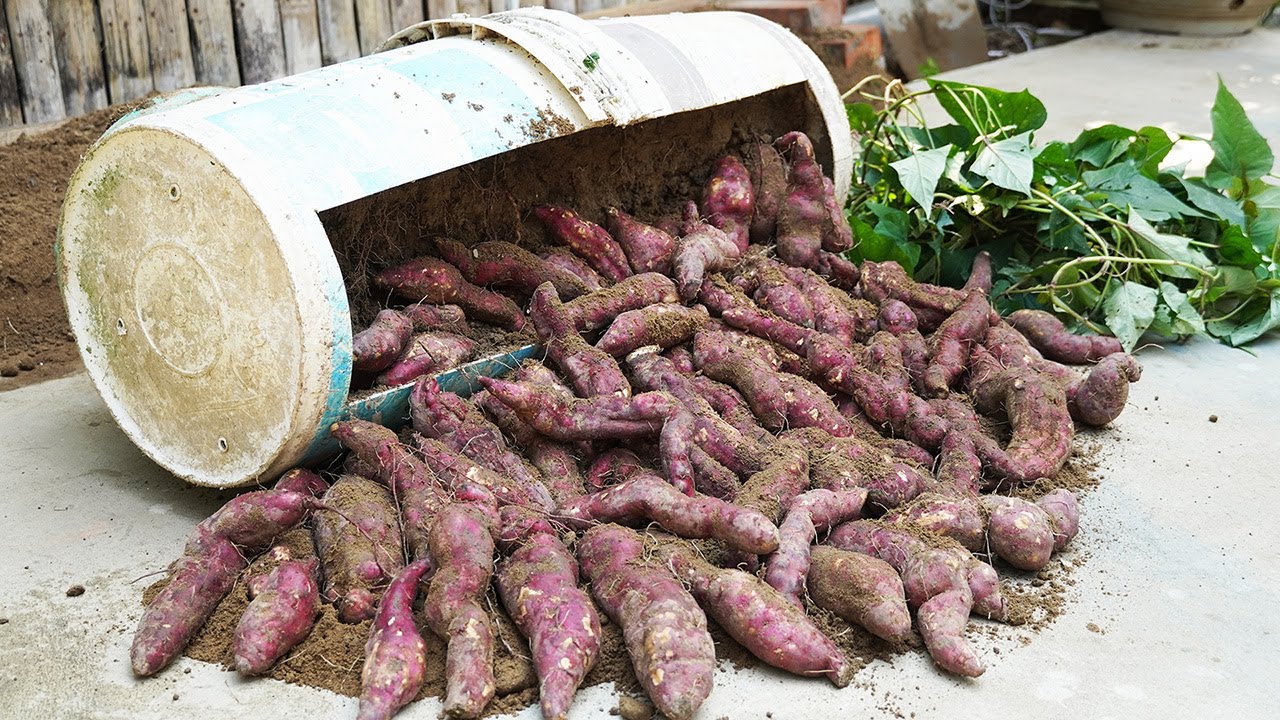
Yes, sweet potatoes can be grown in large containers. Ensure the container has ample drainage and enough space for root expansion.
3. What is the best way to harvest sweet potatoes?
Harvest sweet potatoes after the vines start to yellow, typically in the fall. Use a garden fork to carefully lift them from the soil to avoid bruising.
Conclusion
By understanding the optimal conditions for your sweet potatoes and avoiding common mistakes, you can expect a bountiful harvest. What variety of sweet potatoes are you excited to try growing in your garden?