7 Easy Tips for Perfectly Peeled Chestnuts Every Time!
7 Easy Tips for Perfectly Peeled Chestnuts Every Time
- Introduction
- Preparation Tips for Chestnuts
- Cooking Methods for Chestnuts
- Peeling Techniques for Chestnuts
- Common Mistakes to Avoid
- FAQ
- Conclusion
Introduction
Every autumn, the scent of roasted chestnuts fills the air, evoking memories of seasonal gatherings. However, the struggle of peeling those stubborn shells can be frustrating. You might find yourself wrestling with jagged edges or ending up with bits of shell clinging to the nut itself. Fortunately, with the right preparation and techniques, you can ensure that your chestnuts are perfectly peeled every time. Let’s explore some simple yet effective strategies to make your chestnut peeling experience much smoother.
Preparation Tips for Chestnuts
Getting ready to peel chestnuts starts long before the cooking process. Here are some simple steps for smooth preparation:
Choosing the Right Chestnuts
Pick fresh chestnuts that are firm and heavy for their size. Avoid any that feel light or have a shriveled shell, which may indicate spoilage.
Washing Chestnuts
- Rinse the chestnuts under cold water to remove dirt.
- Dry them thoroughly with a clean kitchen towel.
Scoring Shells
Before cooking, you need to score the shells to prevent them from bursting during heating:
- Place each chestnut on a cutting board.
- Using a sharp knife, make a shallow X cut across the flat side of each chestnut.
Cooking Methods for Chestnuts
How you choose to cook chestnuts can make a significant difference in how easily they peel. Here are some popular methods:
Roasting Chestnuts
Roasting brings out the natural sweetness of chestnuts:
- Preheat your oven to 425°F (220°C).
- Arrange the scored chestnuts on a baking sheet.
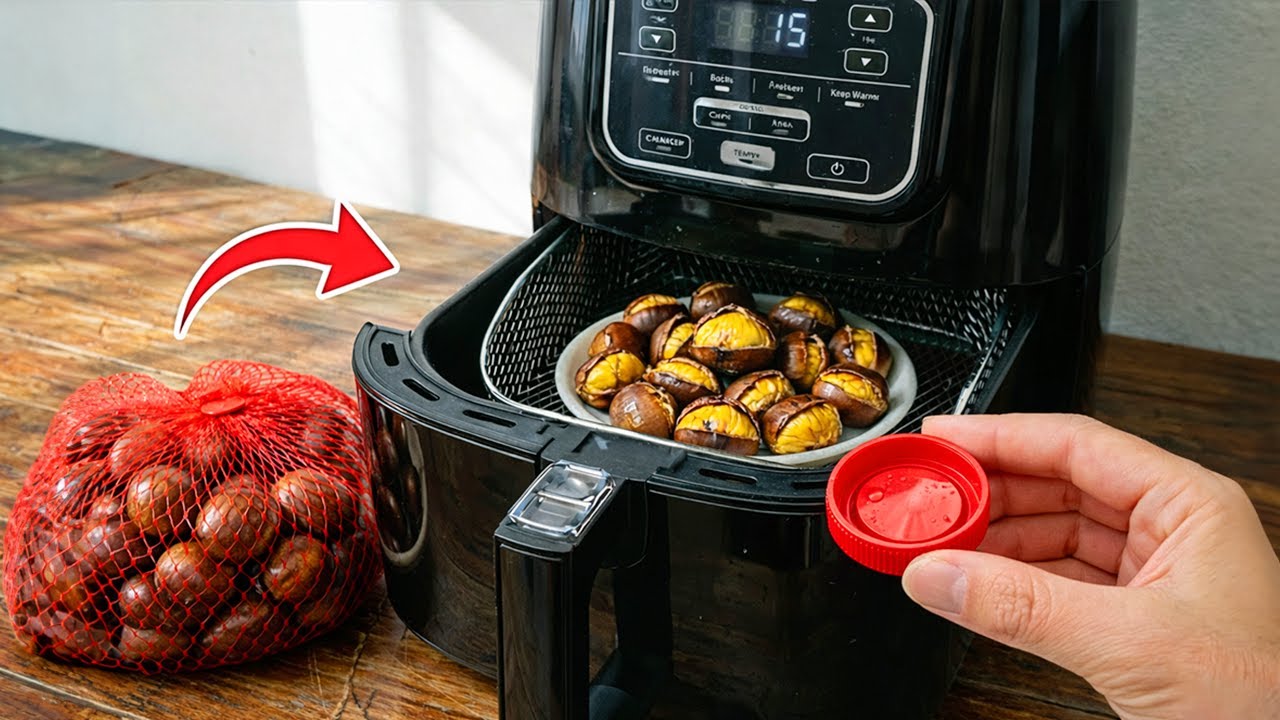
- Roast for about 20-30 minutes, or until the shells turn brown and start to peel back.
Boiling Chestnuts
Boiling is another effective method that softens the shells:
- Bring a pot of water to a boil.
- Add the scored chestnuts and boil for 5-10 minutes.
- Drain and let them cool slightly before peeling.
Peeling Techniques for Chestnuts
The way you peel chestnuts after cooking can determine how cleanly they come apart. Here are some techniques to try:
Peeling Immediately
Right after cooking, while they’re still warm is the best time for peeling:
- Wear kitchen gloves or use a towel to protect your hands from the heat.
- Squeeze the chestnut, applying light pressure to pop open the shell and skin.
Using a Pairing Knife
If any shell remains, a knife can assist in the process:
- Use the tip of the knife to gently pry away any stubborn shell pieces.
- Be careful not to cut into the nut itself.
Common Mistakes to Avoid
Even with the right tips, there are some pitfalls to watch out for:
Not Scoring Properly
Failing to cut an X may result in chestnuts bursting due to steam buildup.
Cooking Too Long
Overcooking can dry out the chestnuts, leading to a tough peel and mealy texture.
Letting Chestnuts Cool Too Much
Allowing chestnuts to cool completely before peeling can make the shells harder to remove.
FAQ
How can I tell if chestnuts are fresh?
Fresh chestnuts should feel heavy, have a smooth shell, and will not sink when placed in water. Any signs of holes may indicate pests.
Can I freeze peeled chestnuts?
Definitely! Once peeled, chestnuts can be stored in the freezer in an airtight container for up to six months.
Are there any health benefits to chestnuts?
Yes, chestnuts are low in fat and high in antioxidants. They also provide fiber and essential vitamins, making them a nutritious snack.
Conclusion
Peeled chestnuts can elevate your seasonal recipes with their delightful flavor and texture. Using these tips, you can enjoy perfectly peeled chestnuts every time. What techniques have you found helpful in your own kitchen? Feel free to share your experiences in the comments!