Grow 10+ Potatoes in Tires: The Ultimate Recycling Method You Need to Try!
Grow More Potatoes with Recycled Tires: A Practical Guide
Introduction
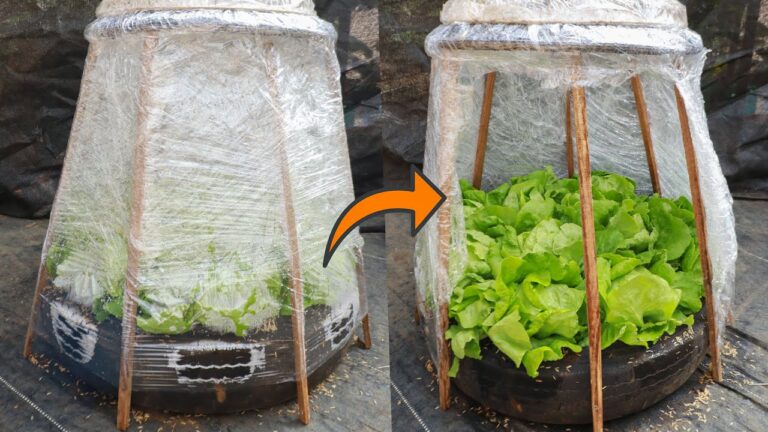
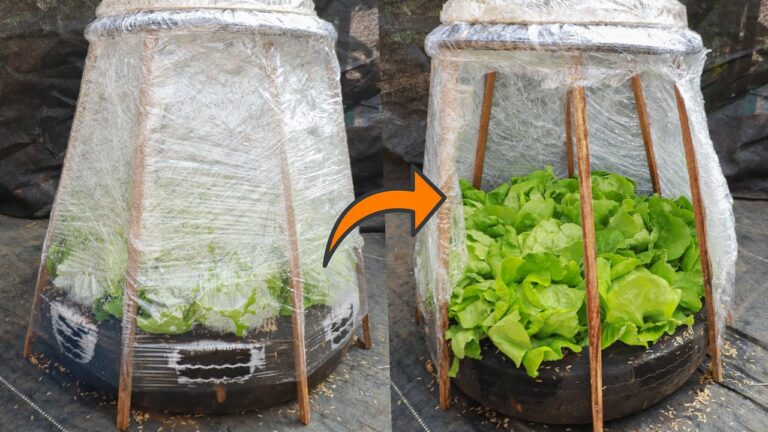
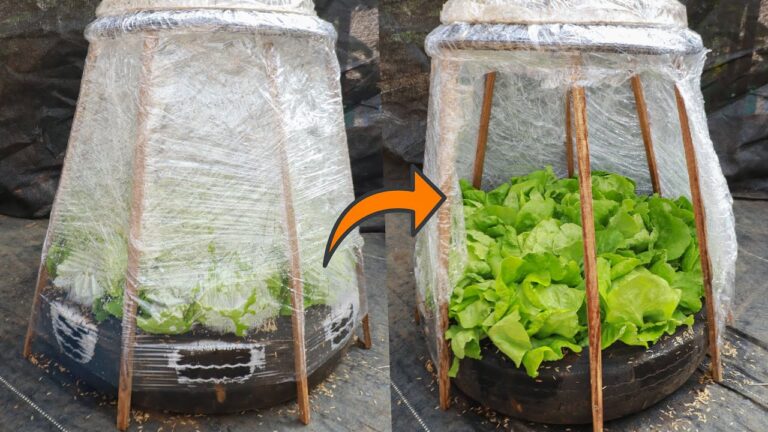
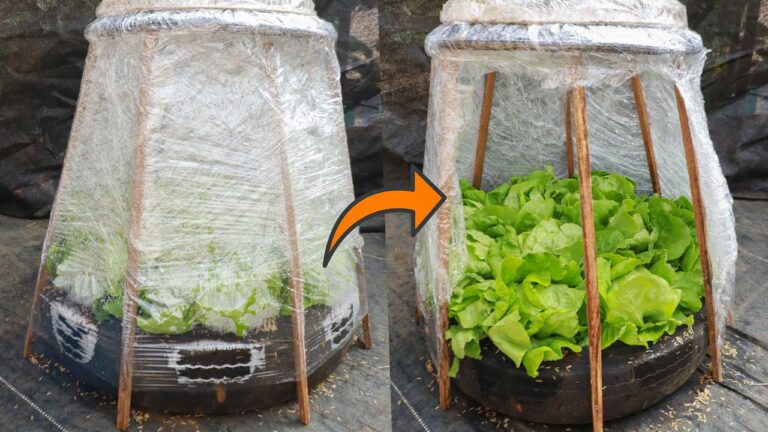
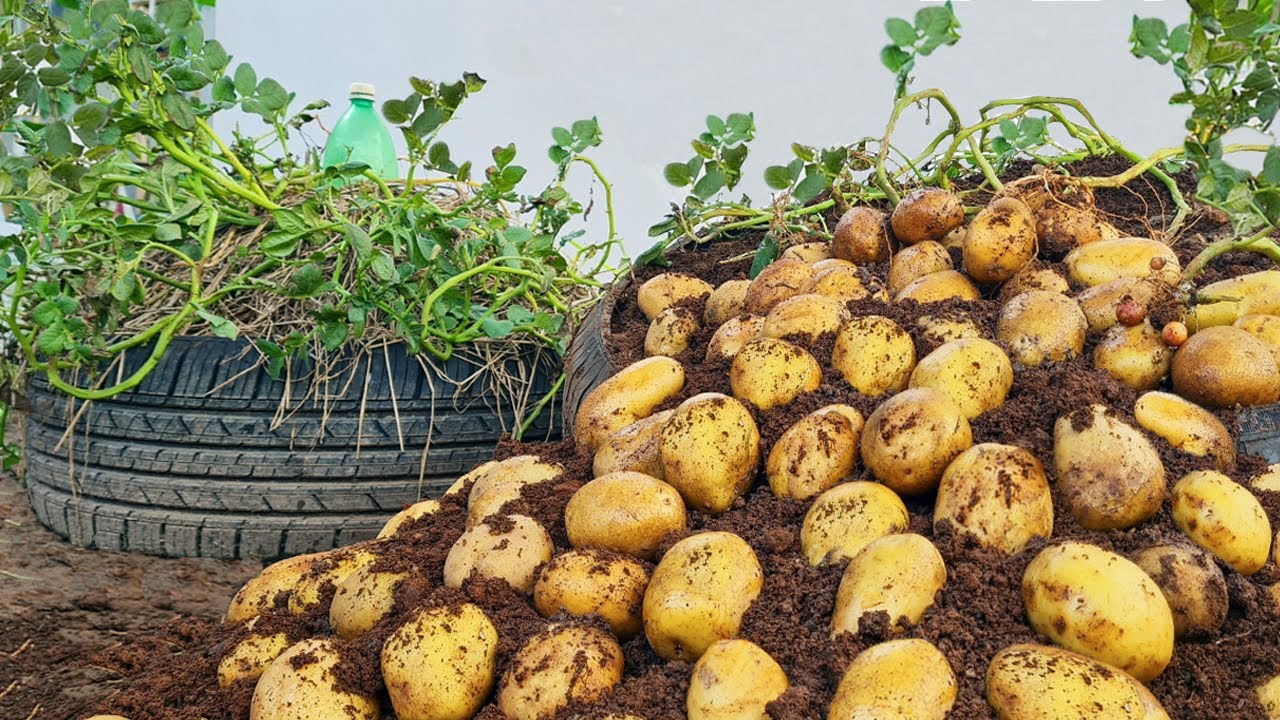
Have you ever considered the potential in your old tires while clearing out your garage? Instead of tossing them away, they can transform into productive garden space for growing more potatoes. This unique method not only maximizes your yield but also contributes to sustainable gardening practices. Let’s explore how to efficiently utilize tires for an abundant potato harvest and some helpful tips along the way.
Required Materials
Before diving into the potato-growing process, gather the following materials:
- Used tires (at least two, clean and free of debris)
- Potato seeds (certified seed potatoes preferred)
- Soil mixture (a combination of garden soil, compost, and peat moss)
- Watering can or hose (for watering the plants)
- Shovel or garden spade (for filling tires)
- Mulch (such as straw or grass clippings, for moisture retention)
Step-by-Step Instructions
1. Prepare the Tires
Start by ensuring your tires are clean and free of contaminants. Here’s a simple guide:
- Wash the tires with soap and water to remove any dirt.
- Inspect for any damages that could affect plant health.
- Stack two tires on top of each other for substantial depth.
2. Fill the Tires with Soil
After your tires are ready, fill them with your soil mixture. Follow these steps:
- Add a layer of soil about 4-6 inches deep in the bottom tire.
- Moisten the soil slightly to promote optimal growth conditions.
- Plant your seed potatoes, placing them around 12 inches apart on the soil surface.
3. Water and Add Mulch
Proper watering and mulching will ensure your potatoes thrive:
- Water the newly planted seeds gently, ensuring the soil remains moist but not soggy.
- Add a layer of mulch on top to retain moisture during dry periods.
4. Maintenance During Growth
As your potatoes begin to grow, follow these maintenance tips:
- Monitor water levels, ensuring the plants do not drought.
- Remove any weeds that may compete for nutrients.
- As the plants reach about a foot tall, add another tire to increase growing space and promote vertical growth.
Common Mistakes
Even experienced gardeners can make mistakes when growing potatoes in tires. Here are some common ones to avoid:
- Starting with tires that are not cleaned properly, which can affect potato health.
- Overwatering, leading to root rot and undermined plant growth.
- Not using certified seed potatoes, which may introduce disease.
- Ignoring pest control, as pests can quickly damage potato plants.
- Failing to monitor for adequate sunlight, which is crucial for healthy growth.
FAQ
Can I use any type of tire for growing potatoes?
It’s best to use passenger vehicle tires, as they are less likely to leach harmful substances into the soil. Avoid tires from heavy-duty vehicles.
How many potatoes can I expect to grow in one tire?
You can typically expect around 10 to 20 pounds of potatoes from a stack of two tires, depending on growing conditions and care.
When is the best time to plant potatoes in tires?
Plant potatoes in early spring, once the soil has thawed but temperatures remain cool, ensuring a successful growing season.
Conclusion
Growing potatoes using recycled tires is not only an eco-friendly solution but also an efficient way to maximize your garden yield. By following these simple steps and avoiding common mistakes, you can enjoy a bountiful harvest. Have you tried growing in recycled materials before? Share your experiences in the comments below!